
 EN
EN
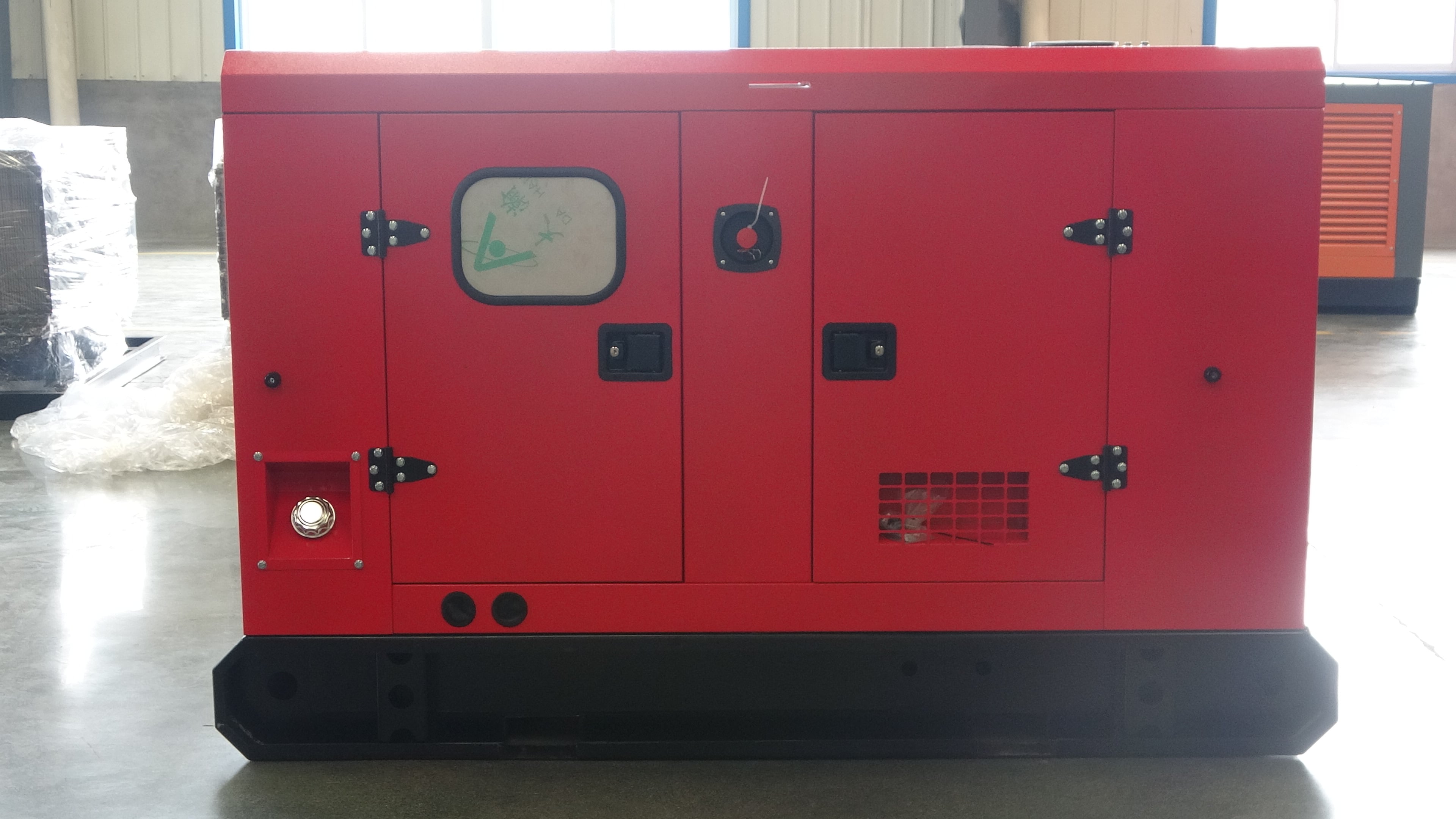
Modern businesses require uninterrupted power supply to maintain operations, protect sensitive equipment, and ensure productivity during electrical outages. A silent diesel generator represents the perfect solution for companies seeking reliable backup power without the disruptive noise associated with traditional generators. These advanced power systems combine the proven reliability of diesel engines with sophisticated noise reduction technology, making them ideal for urban environments, hospitals, data centers, and residential areas where noise pollution must be minimized.
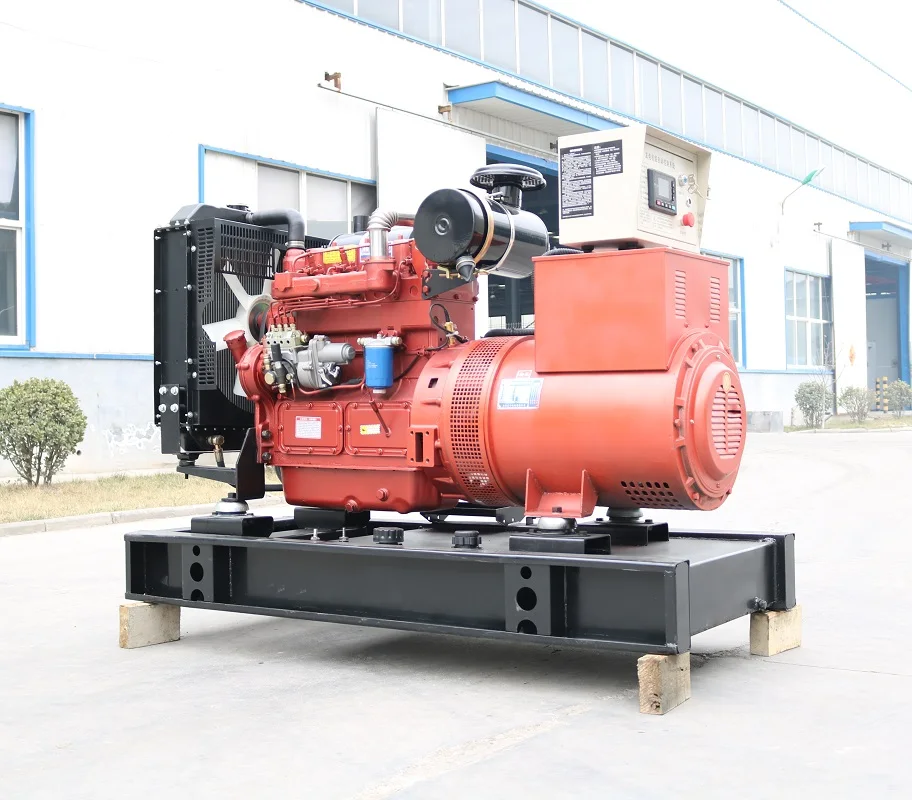
The evolution of generator technology has transformed how businesses approach backup power solutions. Traditional generators often produce noise levels exceeding 80 decibels, creating significant disturbances that can violate local noise ordinances and impact neighboring properties. Silent diesel generators address these concerns through innovative acoustic enclosures, advanced muffling systems, and optimized engine designs that dramatically reduce operational noise while maintaining superior performance and fuel efficiency.
Advanced Noise Reduction Technology
Acoustic Enclosure Design
The foundation of any effective silent diesel generator lies in its sophisticated acoustic enclosure system. These specially engineered housings utilize multiple layers of sound-absorbing materials, including high-density foam, fiberglass insulation, and mass-loaded vinyl barriers. The enclosure design incorporates strategic ventilation pathways that maintain optimal engine cooling while preventing noise escape, ensuring the generator operates within acceptable decibel ranges even in noise-sensitive environments.
Modern acoustic enclosures feature double-wall construction with air gaps between layers, creating additional sound dampening through the principle of acoustic isolation. The exterior panels are typically constructed from galvanized steel or aluminum with weather-resistant coatings, while the interior surfaces are lined with specialized sound-absorbing materials that target specific frequency ranges produced by diesel engines. This comprehensive approach results in noise reduction of 15-25 decibels compared to standard generator sets.
Engine Optimization Techniques
Silent diesel generators incorporate specially tuned engines designed for quieter operation without compromising power output or reliability. These engines feature precision-balanced components, advanced fuel injection systems, and optimized combustion chambers that minimize vibration and reduce the intensity of combustion noise. Engine manufacturers employ sophisticated computer modeling to identify and eliminate noise-generating factors during the design phase, resulting in inherently quieter powerplants.
The integration of variable speed technology allows these generators to adjust engine RPM based on load requirements, operating at lower speeds during periods of reduced demand. This adaptive approach not only decreases fuel consumption but also significantly reduces noise output during typical operating conditions. Advanced electronic governors maintain precise speed control while minimizing the engine oscillations that contribute to excessive noise generation.
Business Applications and Benefits
Healthcare Facility Requirements
Healthcare facilities represent one of the most demanding applications for silent diesel generators, where uninterrupted power is critical for patient safety and life-support equipment operation. Hospitals, clinics, and medical centers require backup power systems that operate seamlessly without creating noise disturbances that could interfere with patient recovery or disrupt medical procedures. The silent diesel generator provides the perfect solution by delivering reliable emergency power while maintaining the quiet environment essential for healing and medical operations.
Modern medical facilities often operate sophisticated diagnostic equipment, electronic health records systems, and climate control systems that require clean, stable power during outages. Silent generators provide superior power quality through advanced voltage regulation and harmonic filtration, protecting sensitive medical equipment from power fluctuations that could cause damage or data loss. The combination of quiet operation and exceptional power reliability makes these systems indispensable for healthcare applications.
Data Center and IT Infrastructure
Data centers and IT facilities face unique challenges in maintaining continuous operations while adhering to strict noise regulations, particularly in urban locations where commercial properties are situated near residential areas. Silent diesel generators enable these facilities to meet their critical power requirements without violating noise ordinances or creating community relations issues. The precise power output and exceptional fuel efficiency of these systems support extended runtime capabilities essential for data center operations.
The integration of advanced monitoring and control systems allows data center managers to seamlessly coordinate generator operation with uninterruptible power supplies and building management systems. Remote monitoring capabilities provide real-time status information and predictive maintenance alerts, ensuring optimal system readiness while minimizing on-site maintenance visits that could disrupt operations. This level of integration and automation makes silent diesel generators particularly valuable for mission-critical IT applications.
Economic Advantages and Cost Considerations
Fuel Efficiency and Operating Costs
Diesel fuel offers significant advantages over gasoline or natural gas alternatives in terms of energy density, storage stability, and availability during emergency situations. Silent diesel generators maximize these benefits through advanced fuel injection systems, turbocharging technology, and electronic engine management that optimize combustion efficiency across varying load conditions. These improvements result in fuel consumption rates that are typically 20-30% lower than comparable gasoline generators, translating to substantial cost savings during extended outages.
The superior fuel efficiency of diesel engines becomes particularly important for businesses that require extended runtime capabilities or frequent generator operation for load management purposes. Diesel fuel's longer shelf life compared to gasoline reduces maintenance requirements and eliminates the need for frequent fuel replacement, further reducing operational costs. Additionally, diesel generators typically operate at higher efficiency levels when loaded to 70-80% of their rated capacity, making them ideal for applications with predictable power requirements.
Maintenance Requirements and Longevity
Silent diesel generators are engineered for extended service life with maintenance intervals that significantly exceed those of gasoline-powered alternatives. The robust construction of diesel engines, combined with lower operating temperatures and reduced internal wear, results in maintenance schedules that may extend 200-500 hours between service intervals depending on operating conditions and load factors. This extended maintenance cycle reduces both direct service costs and the indirect costs associated with system downtime during maintenance procedures.
The acoustic enclosures protecting silent diesel generators also provide additional weather protection and security, extending the service life of external components and reducing maintenance requirements related to environmental exposure. High-quality enclosure materials resist corrosion, UV degradation, and temperature cycling, maintaining their protective properties throughout the generator's operational life. This comprehensive protection approach contributes to lower total cost of ownership over the system's expected 20-30 year service life.
Installation and Regulatory Compliance
Noise Ordinance Requirements
Municipal noise ordinances have become increasingly stringent as urban development brings commercial and residential properties into closer proximity. Silent diesel generators enable businesses to maintain compliance with these regulations while ensuring adequate backup power capacity for their operations. Most jurisdictions specify maximum decibel levels measured at property boundaries, with typical limits ranging from 45-65 dB depending on zoning classifications and time of day restrictions.
The acoustic performance of silent diesel generators typically allows installation in locations where standard generators would violate noise ordinances, providing greater flexibility in system placement and reducing the need for additional sound barriers or specialized foundations. This compliance capability often eliminates lengthy permitting processes and potential legal issues that could arise from noise complaints, making the installation process more predictable and cost-effective.
Environmental Impact Considerations
Modern silent diesel generators incorporate advanced emission control technologies that minimize environmental impact while maintaining exceptional performance characteristics. These systems utilize sophisticated fuel injection timing, exhaust after-treatment systems, and combustion optimization to reduce particulate emissions, nitrogen oxides, and hydrocarbon output. Many models meet or exceed EPA Tier 4 emission standards, demonstrating their compatibility with environmental protection requirements.
The improved fuel efficiency of silent diesel generators contributes to reduced carbon footprint compared to less efficient alternatives, particularly during extended operating periods. The longer service life and reduced maintenance requirements of these systems also minimize the environmental impact associated with manufacturing, transportation, and disposal of replacement components. This environmental compatibility supports corporate sustainability initiatives while providing essential backup power capabilities.
FAQ
What noise level can I expect from a silent diesel generator
Silent diesel generators typically operate at noise levels between 45-65 decibels measured at seven meters from the unit, depending on the specific model and load conditions. This represents a significant reduction compared to standard generators that may produce 75-85 decibels or more. The actual noise level varies based on factors such as generator size, load percentage, ambient conditions, and the specific acoustic treatment employed in the enclosure design.
How does the initial cost compare to standard generators
Silent diesel generators typically cost 15-30% more than equivalent standard generators due to the sophisticated acoustic enclosures and specialized components required for noise reduction. However, this initial investment is often offset by lower operating costs, reduced maintenance requirements, extended service life, and the ability to install the generator in locations where noise restrictions would otherwise prevent standard generator use. The total cost of ownership over the system's operational life frequently favors the silent diesel option.
What maintenance schedule should I expect for optimal performance
Maintenance intervals for silent diesel generators typically range from 200-500 operating hours depending on load factors, environmental conditions, and manufacturer specifications. Routine maintenance includes engine oil and filter changes, coolant system inspection, air filter replacement, and fuel system maintenance. The acoustic enclosure requires periodic inspection and cleaning to maintain optimal sound dampening performance. Most manufacturers recommend annual comprehensive inspections regardless of operating hours to ensure continued reliability and warranty compliance.
Can silent diesel generators operate automatically during power outages
Yes, silent diesel generators can be equipped with automatic transfer switches and control systems that provide seamless backup power without human intervention. These systems continuously monitor utility power quality and automatically start the generator when outages or voltage irregularities are detected. The automatic transfer switch safely disconnects utility power and connects the generator output within seconds of startup, then reverses the process when utility power is restored. Remote monitoring capabilities allow operators to oversee system status and receive alerts from off-site locations.