
 EN
EN
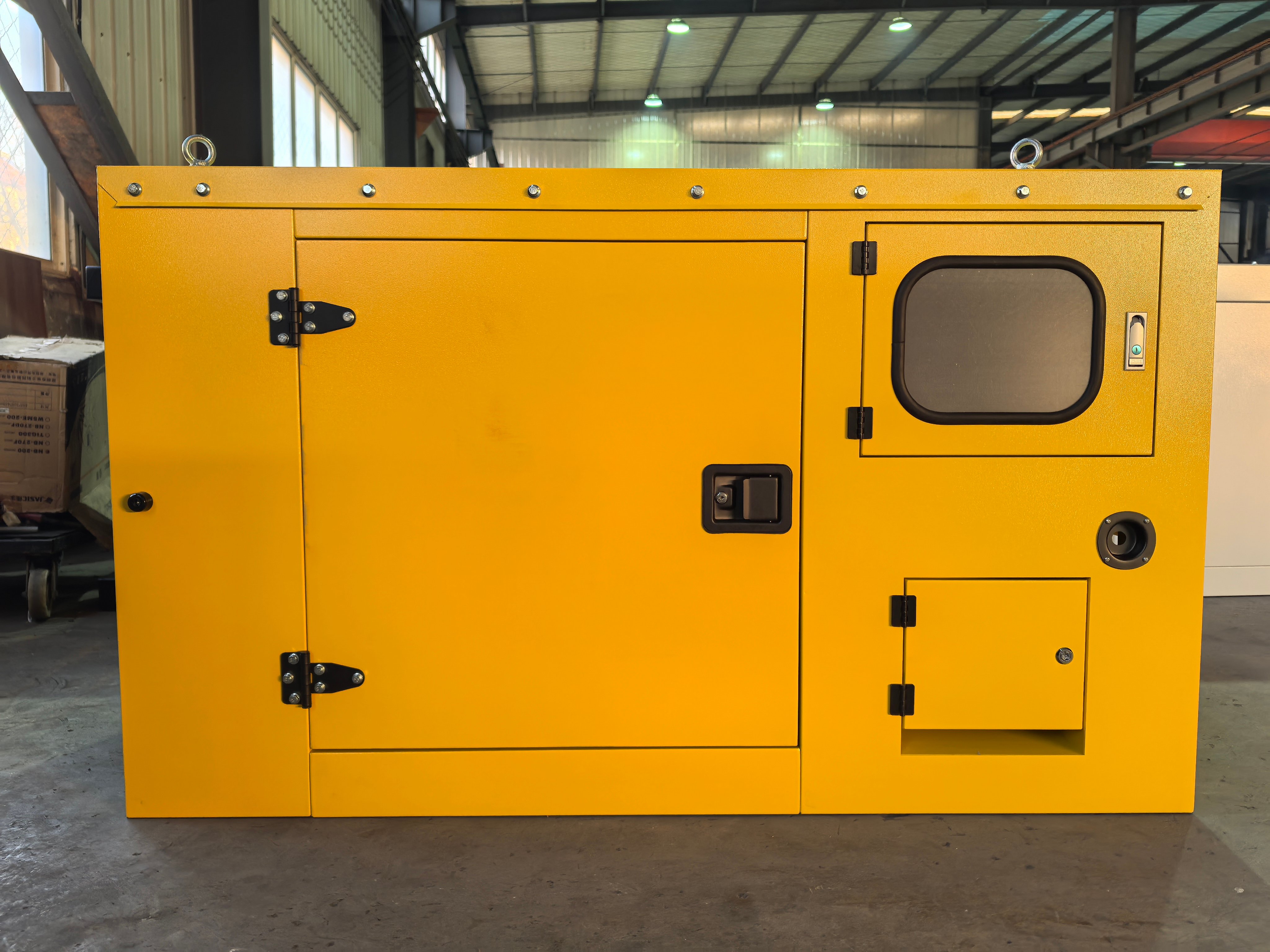
In today's power-dependent world, businesses and residential facilities require reliable backup power solutions that don't compromise on performance or peace of mind. The evolution of generator technology has brought forth innovative solutions that address both power needs and noise concerns, transforming how we approach emergency power systems. Modern backup power solutions have advanced significantly, offering enhanced efficiency, reduced environmental impact, and improved user experience across various applications.
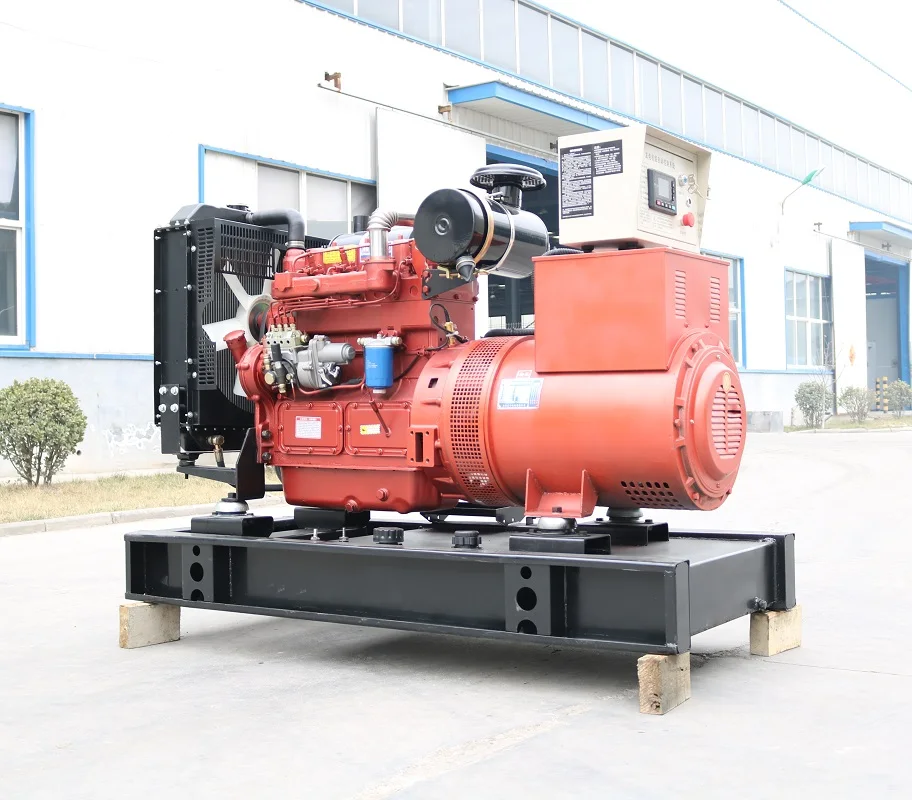
The demand for quieter power generation has driven manufacturers to develop sophisticated engineering solutions that maintain robust performance while minimizing acoustic output. These advancements have created new possibilities for backup power deployment in noise-sensitive environments, from residential neighborhoods to commercial districts where traditional generators would be impractical or prohibited.
Understanding Silent Generator Technology
Advanced Acoustic Engineering Principles
The foundation of quiet generator operation lies in comprehensive acoustic engineering that addresses sound generation at multiple levels. Modern designs incorporate sound-dampening materials, strategic component placement, and specialized enclosure systems that work together to minimize noise transmission. These systems utilize multi-layered sound barriers, vibration isolation mounts, and precision-engineered exhaust systems to achieve significant noise reduction without compromising power output.
Engine design plays a crucial role in noise reduction, with manufacturers implementing advanced combustion technologies that inherently produce lower sound levels. Variable speed control systems, improved fuel injection timing, and optimized cylinder configurations contribute to smoother operation and reduced mechanical noise. The integration of these technologies creates a synergistic effect that delivers both performance and acoustic comfort.
Enclosure Design and Sound Isolation
Professional-grade enclosures represent a critical component in achieving effective noise control while maintaining operational efficiency. These specialized housings incorporate high-density acoustic foam, perforated metal panels, and strategic airflow management to create optimal sound isolation. The enclosure design must balance noise reduction with essential cooling requirements, ensuring that sound dampening doesn't compromise engine performance or longevity.
Ventilation systems within these enclosures utilize specially designed baffles and sound traps that allow necessary airflow while preventing sound escape. Advanced designs incorporate computer-modeled airflow patterns that optimize cooling efficiency while maintaining acoustic performance. This careful engineering ensures that the silent diesel generator operates at peak efficiency regardless of environmental conditions.
Performance Advantages in Modern Applications
Reliability and Power Quality Standards
Contemporary backup power systems deliver exceptional reliability through advanced engine management systems and precision-engineered components. These systems maintain stable voltage and frequency output under varying load conditions, ensuring sensitive electronic equipment receives clean, consistent power. Automatic voltage regulation, load sensing capabilities, and sophisticated control algorithms work together to provide utility-grade power quality that protects valuable equipment and maintains operational continuity.
The integration of digital control systems enables real-time monitoring and adjustment of operational parameters, optimizing performance based on current conditions and load requirements. These systems provide detailed diagnostic information, predictive maintenance alerts, and remote monitoring capabilities that enhance reliability and reduce unexpected downtime. Such technological advancement ensures that backup power systems operate with minimal intervention while maintaining peak performance standards.
Fuel Efficiency and Environmental Considerations
Modern diesel engines in backup power applications achieve remarkable fuel efficiency through advanced injection systems, turbocharging technologies, and electronic engine management. These improvements result in lower operational costs and reduced environmental impact while maintaining the robust performance characteristics that diesel engines are known for. Tier 4 compliant engines meet stringent emissions standards without sacrificing reliability or power output.
Environmental considerations extend beyond emissions to include noise pollution reduction, which makes these systems suitable for deployment in environmentally sensitive areas. The combination of low emissions and reduced noise output creates backup power solutions that comply with increasingly strict environmental regulations while meeting critical power requirements. This environmental compatibility opens new applications and installation possibilities that weren't feasible with traditional generator designs.
Installation and Deployment Considerations
Site Planning and Placement Strategies
Successful deployment of quiet backup power systems requires careful consideration of site conditions, local regulations, and operational requirements. Site surveys must evaluate ambient noise levels, proximity to sensitive areas, and local sound ordinances to ensure compliance and optimal performance. Professional installation teams assess factors such as prevailing wind patterns, ground conditions, and accessibility requirements to determine the ideal placement strategy.
Proper foundation design and installation play crucial roles in minimizing vibration transmission and ensuring stable operation. Vibration isolation systems, concrete pad specifications, and proper grounding techniques contribute to overall system performance and noise reduction. These installation considerations directly impact the long-term reliability and acoustic performance of the backup power system.
Maintenance and Service Requirements
Regular maintenance protocols for modern backup power systems focus on preserving both performance capabilities and acoustic properties. Scheduled service intervals include inspection of sound dampening materials, ventilation systems, and enclosure integrity to ensure continued quiet operation. Predictive maintenance technologies enable service teams to identify potential issues before they impact performance or increase noise levels.
Service accessibility features in contemporary designs facilitate routine maintenance without compromising the enclosure integrity or acoustic performance. Removable panels, service doors, and diagnostic ports allow technicians to perform necessary maintenance tasks efficiently while maintaining the system's noise reduction capabilities. This design philosophy ensures that maintenance activities don't negatively impact the acoustic performance that makes these systems suitable for noise-sensitive environments.
Market Applications and Industry Trends
Commercial and Industrial Applications
The commercial sector has embraced quiet generator technology for applications ranging from data centers to healthcare facilities where noise control is essential. Hospitals, schools, and office complexes benefit from backup power solutions that provide necessary emergency power without disrupting normal operations or disturbing occupants. These applications require generators that can operate for extended periods while maintaining low noise levels and reliable performance.
Industrial applications include manufacturing facilities, telecommunications installations, and critical infrastructure where continuous power availability is essential but noise restrictions apply. The ability to deploy powerful backup generation in industrial settings without violating noise ordinances or disturbing nearby communities has expanded the possibilities for emergency power planning and grid independence strategies.
Residential and Community Integration
Residential applications have grown significantly as homeowners seek backup power solutions that don't disturb neighbors or violate local noise regulations. Quiet generator technology enables whole-house backup power systems in suburban and urban environments where traditional generators would be impractical or prohibited. These systems provide peace of mind during power outages without creating noise conflicts within residential communities.
Community-scale applications include emergency shelters, municipal facilities, and critical services that require reliable backup power in populated areas. The ability to provide substantial power generation while maintaining community-friendly noise levels makes these systems ideal for public facilities and emergency response applications where both performance and social responsibility are important considerations.
Technology Evolution and Future Developments
Integration with Smart Grid Technologies
The integration of backup power systems with smart grid technologies represents a significant advancement in power management and distribution. Modern systems can communicate with utility grids, automatically starting during outages and seamlessly transferring loads without user intervention. These capabilities include load management, peak shaving, and grid support functions that maximize the value of backup power investments while maintaining quiet operation.
Advanced control systems enable remote monitoring and management capabilities that allow operators to optimize performance, schedule maintenance, and respond to changing conditions from centralized locations. This connectivity enhances the reliability and efficiency of backup power systems while providing valuable operational data that supports continuous improvement and optimization efforts.
Emerging Technologies and Design Innovations
Research and development efforts continue to push the boundaries of generator design, focusing on further noise reduction, improved efficiency, and enhanced reliability. Emerging technologies include variable speed operation, advanced materials science applications, and hybrid power systems that combine traditional generation with energy storage capabilities. These innovations promise even quieter operation and improved environmental performance.
Future developments may include artificial intelligence integration for predictive maintenance and optimized operation, advanced exhaust after-treatment systems for near-zero emissions, and modular designs that enable scalable power solutions. The continued evolution of silent diesel generator technology promises to expand applications and improve performance while maintaining the reliability and cost-effectiveness that make diesel generators preferred for critical backup power applications.
FAQ
What noise levels can modern silent diesel generators achieve
Modern silent diesel generators typically achieve noise levels between 52-65 dB at 7 meters, which is comparable to normal conversation levels. The specific noise level depends on the generator size, enclosure design, and manufacturer specifications. Professional-grade units with advanced acoustic engineering can operate even more quietly while maintaining full power output.
How do silent generators compare to traditional generators in terms of performance
Silent diesel generators maintain the same power output, fuel efficiency, and reliability as traditional units while significantly reducing noise levels. The acoustic enclosures and sound dampening technologies don't compromise engine performance or electrical output. In many cases, the improved cooling and ventilation systems in silent models actually enhance overall performance and component longevity.
What maintenance considerations are specific to silent generator systems
Silent generator systems require regular inspection of acoustic materials, ventilation systems, and enclosure seals to maintain optimal noise reduction performance. The sound dampening materials may need periodic replacement depending on environmental conditions and usage patterns. Additionally, the more complex cooling and ventilation systems require attention to ensure continued effective operation without compromising acoustic performance.
Are silent diesel generators suitable for all power requirements and applications
Silent diesel generators are available in a wide range of power outputs suitable for most applications, from residential backup power to large commercial and industrial installations. The technology scales effectively across different power requirements while maintaining noise reduction benefits. However, extremely high-power applications may require multiple units or specialized designs to achieve both power requirements and acceptable noise levels.