
 EN
EN
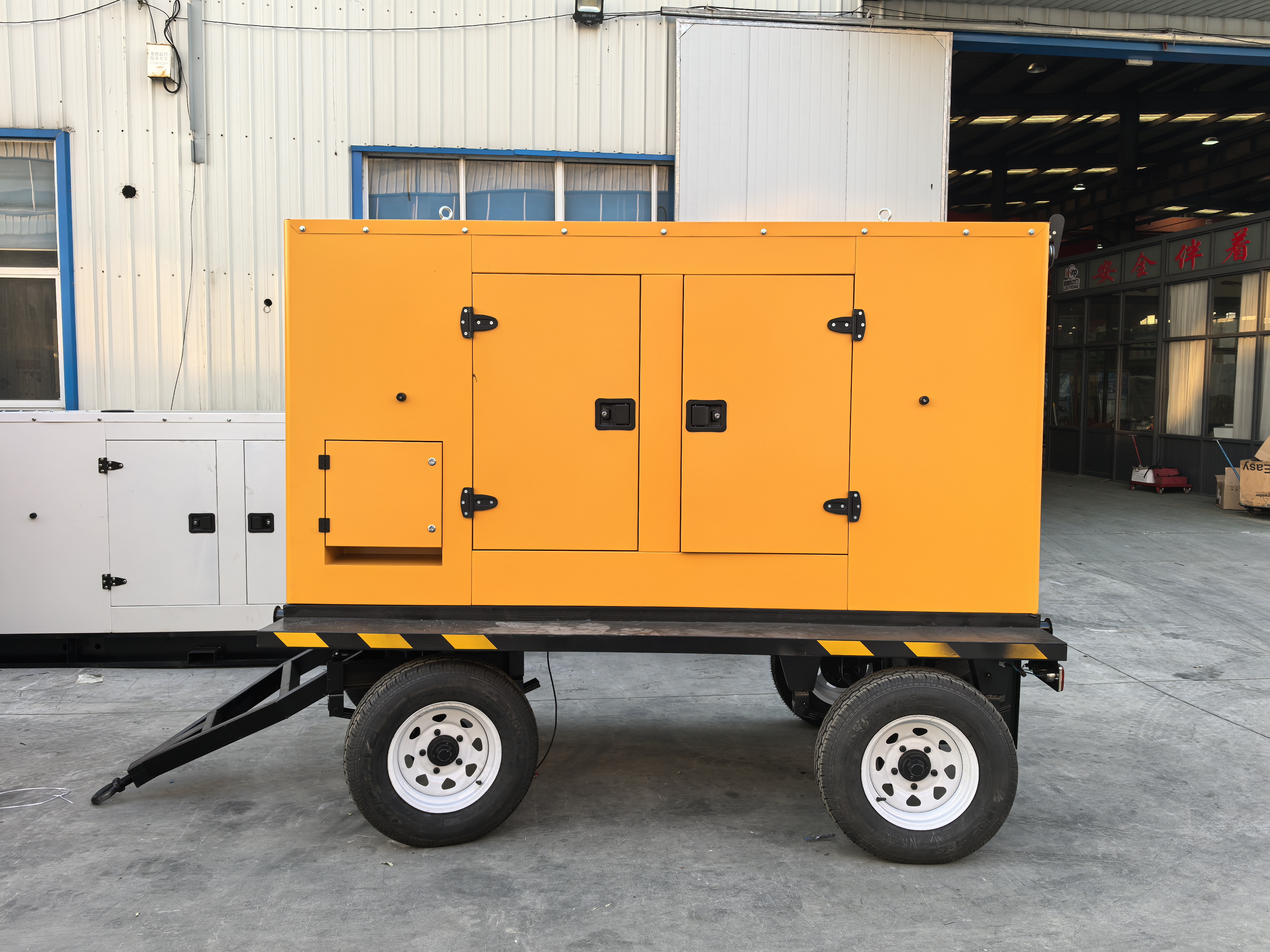
Industrial facilities, construction sites, and commercial establishments increasingly rely on power backup solutions that deliver reliable electricity without disrupting nearby operations. A silent diesel generator represents the perfect balance between robust power generation and noise control, making it an essential investment for businesses operating in noise-sensitive environments. These advanced power systems incorporate sophisticated sound dampening technologies while maintaining the proven reliability of diesel engines, ensuring continuous operation during power outages without causing disturbances to surrounding areas.
Understanding the investment requirements for these specialized power systems involves examining multiple factors that influence pricing and performance. The cost considerations extend beyond the initial purchase price to include installation requirements, operational efficiency, and long-term maintenance expenses. Modern silent diesel generators feature advanced acoustic enclosures, high-efficiency engines, and sophisticated control systems that justify their premium positioning in the backup power market while delivering exceptional value through reduced operational disruptions.
Understanding Silent Diesel Generator Technology
Acoustic Engineering Principles
The foundation of effective noise reduction in diesel generators lies in comprehensive acoustic engineering that addresses sound transmission through multiple pathways. Advanced enclosure designs incorporate multi-layer sound barriers, vibration isolation systems, and strategic airflow management to minimize noise emissions without compromising engine cooling or performance. These engineered solutions typically reduce operational noise levels to 60-75 decibels at seven meters distance, making them suitable for urban installations and noise-restricted environments.
Sound dampening materials used in modern enclosures include high-density foam composites, mass-loaded vinyl barriers, and perforated metal panels that work together to absorb and deflect sound waves. The integration of these materials requires precise engineering to maintain proper ventilation while achieving maximum noise reduction. Manufacturers invest significantly in acoustic testing and refinement to ensure their products meet strict noise regulations while maintaining optimal engine performance under various load conditions.
Engine Performance Integration
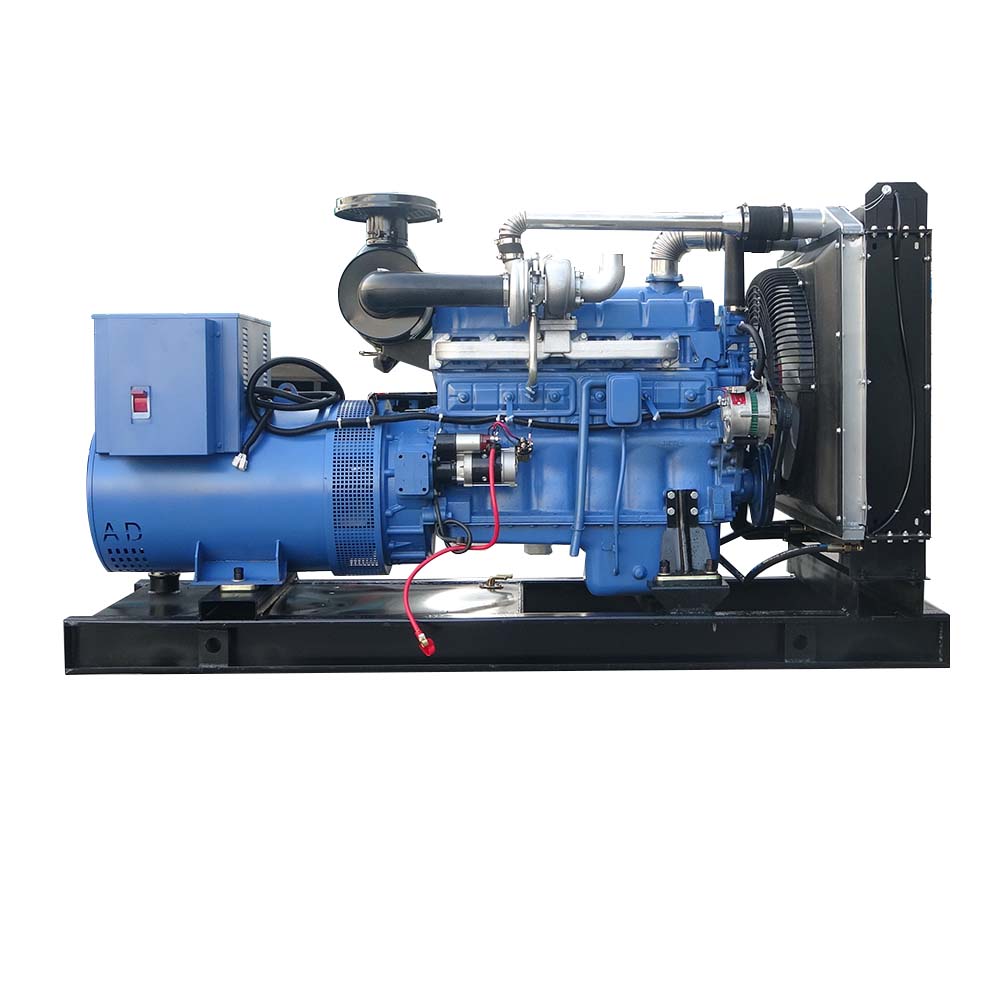
Diesel engines in silent generators incorporate specific modifications to reduce inherent noise production while maintaining power output and fuel efficiency. These modifications include enhanced combustion chamber designs, precision-balanced rotating components, and optimized injection timing that collectively minimize vibration and combustion noise. The result is a power system that operates smoothly across varying load demands while maintaining acoustic performance standards.
Advanced engine management systems monitor operational parameters continuously to optimize performance while maintaining noise control effectiveness. These systems adjust fuel delivery, ignition timing, and cooling system operation to ensure the generator operates within designed acoustic parameters throughout its operational cycle. The sophisticated integration of noise control with engine performance represents a significant technological achievement that justifies the premium associated with silent diesel generator systems.
Cost Analysis and Pricing Factors
Initial Investment Considerations
The purchase price of a silent diesel generator typically ranges from 30% to 60% higher than comparable open-frame units due to the sophisticated acoustic enclosure and specialized components required for noise reduction. This premium reflects the engineering complexity, additional materials, and manufacturing precision necessary to achieve effective sound dampening while maintaining generator performance. For commercial applications, this investment often pays dividends through compliance with noise ordinances and reduced operational restrictions.
Pricing varies significantly based on power output capacity, with smaller residential units starting around $8,000 for 10kW systems, while industrial-grade 100kW+ units can exceed $75,000. The cost per kilowatt typically decreases with larger capacity units, making high-output generators more economical for substantial power requirements. Additional factors influencing pricing include fuel tank capacity, control system sophistication, weather protection features, and manufacturer warranty coverage.
Operational Cost Implications
Long-term operational costs for silent diesel generators encompass fuel consumption, maintenance requirements, and potential noise compliance fees or restrictions that could impact business operations. The enclosed design of these units may require more frequent air filter changes and enhanced cooling system maintenance due to restricted airflow patterns. However, the operational flexibility gained through noise compliance often outweighs these additional maintenance considerations.
Fuel efficiency in modern silent diesel generators typically matches or exceeds open-frame alternatives due to optimized engine management systems and improved combustion efficiency. The enclosed design also provides protection from environmental factors that could impact fuel system performance, potentially reducing maintenance costs associated with contamination or weather-related issues. These operational advantages contribute to lower total cost of ownership despite higher initial investment requirements.
Selection Criteria and Specifications
Power Requirements Assessment
Determining appropriate generator capacity requires careful analysis of essential load requirements, starting surge demands, and future expansion possibilities. Critical loads such as emergency lighting, communication systems, and essential equipment should be prioritized when calculating minimum power requirements. The silent diesel generator capacity should include adequate reserve for motor starting currents and accommodate potential load growth without compromising performance or acoustic specifications.
Load analysis should consider both continuous and standby power requirements, as generator sizing affects fuel consumption, operational costs, and equipment longevity. Oversizing generators can lead to inefficient operation and increased maintenance requirements, while undersized units may struggle to meet peak demands effectively. Professional load calculations help ensure optimal generator sizing that balances performance requirements with cost considerations.
Environmental and Installation Factors
Installation site characteristics significantly influence generator selection and total project costs, particularly regarding foundation requirements, fuel system integration, and exhaust management. Silent diesel generators typically require more substantial foundations due to increased weight from acoustic enclosures and vibration isolation systems. Proper installation ensures optimal acoustic performance while meeting local building codes and safety regulations.
Environmental considerations include ambient temperature ranges, altitude effects on engine performance, and potential exposure to corrosive atmospheres or extreme weather conditions. These factors may require additional protective features or specialized materials that impact overall system costs. Proper site preparation and environmental protection measures are essential for maximizing generator lifespan and maintaining warranty coverage.
Maintenance and Reliability Considerations
Preventive Maintenance Programs
Effective maintenance programs for silent diesel generators require specialized attention to both engine components and acoustic system integrity. Regular inspection of sound dampening materials, enclosure seals, and ventilation systems ensures continued noise control effectiveness throughout the generator's operational life. Maintenance schedules should address both manufacturer recommendations and site-specific environmental factors that may accelerate component wear.
The enclosed design of silent generators requires careful attention to cooling system maintenance, including radiator cleaning, coolant system servicing, and air filter replacement intervals. Restricted airflow patterns in enclosed units may necessitate more frequent filter changes compared to open-frame generators. Professional maintenance services familiar with silent generator requirements help ensure optimal performance and longevity.
Performance Monitoring Systems
Modern silent diesel generators incorporate sophisticated monitoring systems that track operational parameters, maintenance intervals, and performance trends to optimize reliability and efficiency. These systems provide real-time data on engine performance, acoustic levels, and environmental conditions that help identify potential issues before they impact operations. Advanced telemetry capabilities enable remote monitoring and diagnostic support from manufacturer service centers.
Predictive maintenance capabilities built into newer generator control systems analyze operational data to recommend service intervals based on actual usage patterns rather than fixed schedules. This approach optimizes maintenance costs while ensuring reliability through data-driven service decisions. The integration of performance monitoring with acoustic measurement helps maintain noise compliance throughout the generator's operational life.
FAQ
What is the typical noise level of a silent diesel generator
Silent diesel generators typically operate at noise levels between 60-75 decibels measured at seven meters distance, which is significantly quieter than standard open-frame units that may exceed 85 decibels. The exact noise level depends on generator size, enclosure design quality, and operational load. Most units meet residential noise ordinances and commercial property requirements for daytime operation without special permits.
How much more do silent diesel generators cost compared to standard units
Silent diesel generators typically cost 30-60% more than comparable open-frame units due to the sophisticated acoustic enclosure and specialized components required for noise reduction. For a 50kW unit, this premium might range from $15,000 to $25,000 additional cost. However, this investment often provides significant value through operational flexibility and compliance with noise restrictions that could otherwise limit generator usage.
What maintenance differences exist between silent and open generators
Silent diesel generators require additional maintenance attention to acoustic components, including inspection of sound dampening materials, enclosure seals, and specialized ventilation systems. Air filter replacement may be required more frequently due to restricted airflow patterns. However, the protective enclosure also shields engine components from environmental factors, potentially reducing some maintenance requirements while adding others specific to the acoustic system.
Can silent diesel generators operate in extreme weather conditions
Quality silent diesel generators are designed to operate in extreme weather conditions with appropriate environmental protection features built into their acoustic enclosures. The enclosed design actually provides better protection from rain, snow, and wind compared to open-frame units. However, extreme temperatures may affect acoustic material performance and require specific design considerations for optimal operation in harsh climates.