
 EN
EN
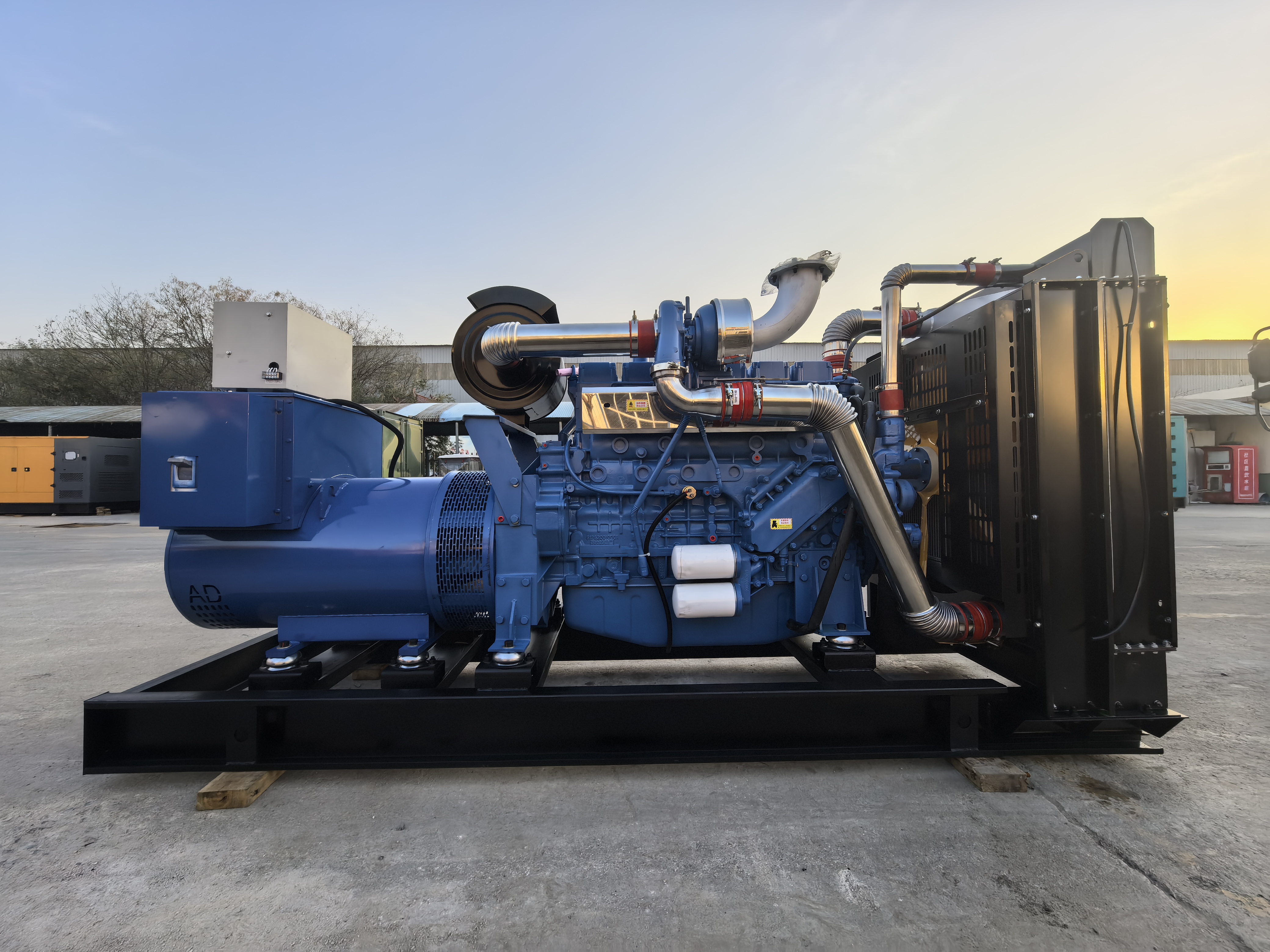
Selecting the right generator manufacturer is a critical decision that can impact your business operations for years to come. Whether you need backup power for industrial facilities, commercial buildings, or residential applications, partnering with a reliable manufacturer ensures you receive quality equipment, comprehensive support, and long-term value. The power generation industry encompasses numerous suppliers, each offering different capabilities, specializations, and service levels that require careful evaluation.
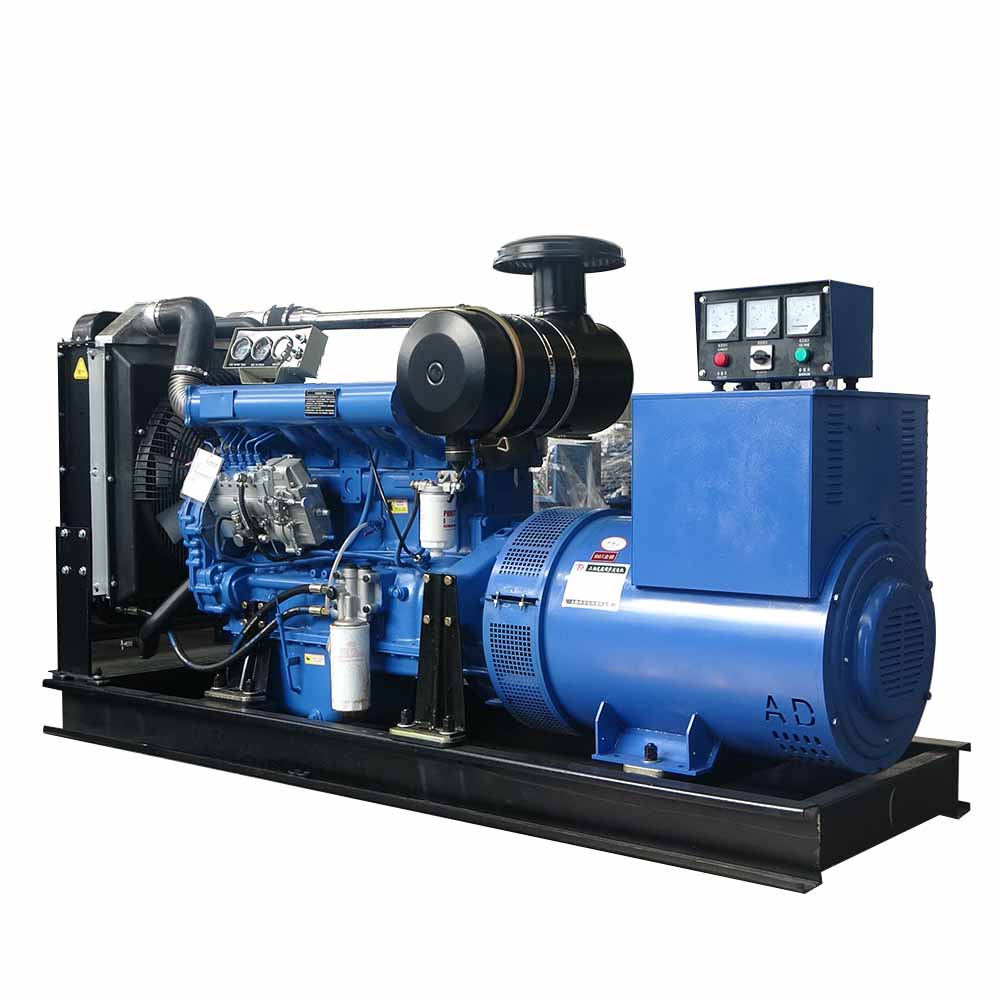
The generator manufacturing landscape has evolved significantly over recent decades, with technological advances driving improvements in efficiency, emissions control, and digital monitoring capabilities. Modern generators incorporate sophisticated engine management systems, advanced alternators, and intelligent control panels that require specialized engineering expertise to develop and manufacture properly. Understanding what distinguishes a quality manufacturer from competitors helps procurement professionals make informed decisions that align with their specific power requirements and budget constraints.
Key Manufacturer Evaluation Criteria
Manufacturing Experience and Industry Reputation
Experience in generator manufacturing directly correlates with product reliability and engineering sophistication. Established manufacturers typically possess decades of accumulated knowledge regarding engine design, alternator technology, and control system integration. This experience translates into better problem-solving capabilities when addressing unique application requirements or challenging installation environments. Manufacturers with extensive track records also demonstrate financial stability and market longevity, reducing risks associated with warranty claims and parts availability.
Industry reputation serves as a valuable indicator of manufacturer performance across multiple customer segments. Researching customer testimonials, case studies, and third-party reviews provides insights into real-world experiences with specific manufacturers. Professional associations, industry publications, and trade shows offer additional venues for gathering reputation information and comparing different suppliers objectively.
Quality Certifications and Manufacturing Standards
Quality certifications demonstrate a generator manufacturer commitment to consistent production standards and continuous improvement processes. ISO 9001 certification indicates adherence to internationally recognized quality management principles, while industry-specific certifications like UL listing or CE marking confirm compliance with safety and performance standards. These certifications require regular audits and documentation, ensuring manufacturers maintain quality control throughout their operations.
Manufacturing standards extend beyond certifications to encompass production methodologies, testing procedures, and quality assurance protocols. Leading manufacturers implement lean manufacturing principles, statistical process control, and comprehensive testing regimens that verify generator performance under various operating conditions. Understanding these standards helps buyers assess whether a manufacturer can consistently deliver products meeting their specifications and expectations.
Technical Capabilities and Product Range
Engine Technology and Power Options
Engine technology represents the heart of any generator system, directly affecting reliability, fuel efficiency, and emissions performance. Reputable manufacturers either develop proprietary engine designs or partner with established engine suppliers like Caterpillar, Cummins, or Perkins to ensure proven performance characteristics. Evaluating engine specifications, including displacement, cooling systems, and fuel injection technology, helps determine suitability for specific applications and operating environments.
Power output capabilities should align with current and anticipated future requirements while considering factors like altitude derating, temperature effects, and load characteristics. Manufacturers offering comprehensive power ranges from small portable units to large industrial generators provide greater flexibility for diverse project requirements. Additionally, assess whether manufacturers offer both prime power and standby power configurations to match intended usage patterns.
Control Systems and Monitoring Technology
Modern generator control systems incorporate advanced microprocessor technology that enables sophisticated monitoring, diagnostics, and remote communication capabilities. Leading manufacturers integrate digital control panels with features like automatic start/stop functions, load management, and comprehensive alarm systems. These control systems significantly enhance operational reliability while reducing maintenance requirements through predictive monitoring and automated system optimization.
Remote monitoring capabilities have become increasingly important for generator manufacturer offerings, enabling real-time system status updates, maintenance scheduling, and fault diagnosis from remote locations. Cloud-based monitoring platforms provide additional benefits including historical data analysis, performance trending, and fleet management capabilities for organizations operating multiple generator systems across different sites.
Support Services and After-Sale Considerations
Warranty Coverage and Service Network
Comprehensive warranty coverage reflects manufacturer confidence in product quality while protecting customer investments against potential defects or premature failures. Evaluate warranty terms including coverage duration, component inclusions, and conditions that might void warranty protection. Leading manufacturers typically offer multi-year warranties with options for extended coverage, demonstrating commitment to long-term customer satisfaction and product performance.
Service network accessibility determines response times for maintenance, repairs, and emergency support requirements. Generator manufacturer with extensive service networks can provide faster response times and more convenient service scheduling compared to manufacturers with limited geographic coverage. Assess service technician qualifications, parts inventory management, and emergency response capabilities when evaluating different manufacturers.
Training and Technical Documentation
Proper operator training and comprehensive technical documentation enable effective generator operation and maintenance practices that extend equipment life and optimize performance. Quality manufacturers provide detailed operation manuals, maintenance schedules, and troubleshooting guides that support both professional technicians and facility operators. Training programs covering operation procedures, routine maintenance tasks, and safety protocols help ensure proper equipment utilization.
Technical support availability beyond initial installation demonstrates manufacturer commitment to ongoing customer success. Evaluate whether manufacturers provide telephone support, online resources, and field service capabilities that address questions and issues throughout the generator lifecycle. Access to engineering expertise for application-specific challenges or system modifications adds significant value for complex installations or unique operating requirements.
Cost Considerations and Value Assessment
Initial Investment and Total Cost of Ownership
Initial purchase price represents only one component of generator ownership costs, making total cost of ownership analysis essential for informed decision-making. Fuel efficiency ratings directly impact operating costs over the generator lifecycle, particularly for applications requiring frequent or extended operation periods. Higher efficiency generators from reputable manufacturers often justify premium pricing through reduced fuel consumption and lower emissions output.
Maintenance costs vary significantly based on generator design, component quality, and service requirements. Generator manufacturer with proven reliability records typically require less frequent repairs and component replacements, reducing long-term ownership costs despite potentially higher initial investments. Factor in maintenance schedules, parts availability, and service costs when comparing different manufacturers and models.
Financing Options and Payment Terms
Flexible financing options can make high-quality generators more accessible while preserving working capital for other business priorities. Many manufacturers offer lease programs, extended payment terms, or partnership arrangements with financing companies that provide competitive rates and favorable terms. Evaluate financing options alongside technical specifications to determine the most cost-effective approach for your specific situation.
Payment terms and delivery schedules affect cash flow management and project timeline compliance. Manufacturers with established production capacity can typically provide more predictable delivery schedules and flexible payment arrangements compared to smaller suppliers with limited manufacturing resources. Consider these factors when evaluating proposals and making final selection decisions.
FAQ
What certifications should I look for when choosing a generator manufacturer
Look for ISO 9001 quality management certification, UL safety listing, EPA emissions compliance, and industry-specific certifications relevant to your application. These certifications demonstrate adherence to recognized standards for quality, safety, and environmental compliance.
How important is the manufacturer service network for generator selection
Service network coverage is extremely important as it affects response times for maintenance, repairs, and emergency support. A manufacturer with local service capabilities can provide faster response and more cost-effective support compared to manufacturers requiring travel from distant locations.
What factors affect generator manufacturer pricing beyond the initial purchase cost
Total cost factors include fuel efficiency ratings, maintenance requirements, parts availability and cost, warranty coverage, service costs, and expected equipment lifespan. Higher-quality manufacturers may have premium pricing but often provide better long-term value through reduced operating costs.
How can I verify a generator manufacturer reputation and reliability
Research customer references, read industry publications and reviews, check Better Business Bureau ratings, attend trade shows to speak with users directly, and request case studies from the manufacturer. Professional associations and industry forums also provide valuable insights into manufacturer performance and customer satisfaction.
Table of Contents
- Key Manufacturer Evaluation Criteria
- Technical Capabilities and Product Range
- Support Services and After-Sale Considerations
- Cost Considerations and Value Assessment
-
FAQ
- What certifications should I look for when choosing a generator manufacturer
- How important is the manufacturer service network for generator selection
- What factors affect generator manufacturer pricing beyond the initial purchase cost
- How can I verify a generator manufacturer reputation and reliability