
 EN
EN
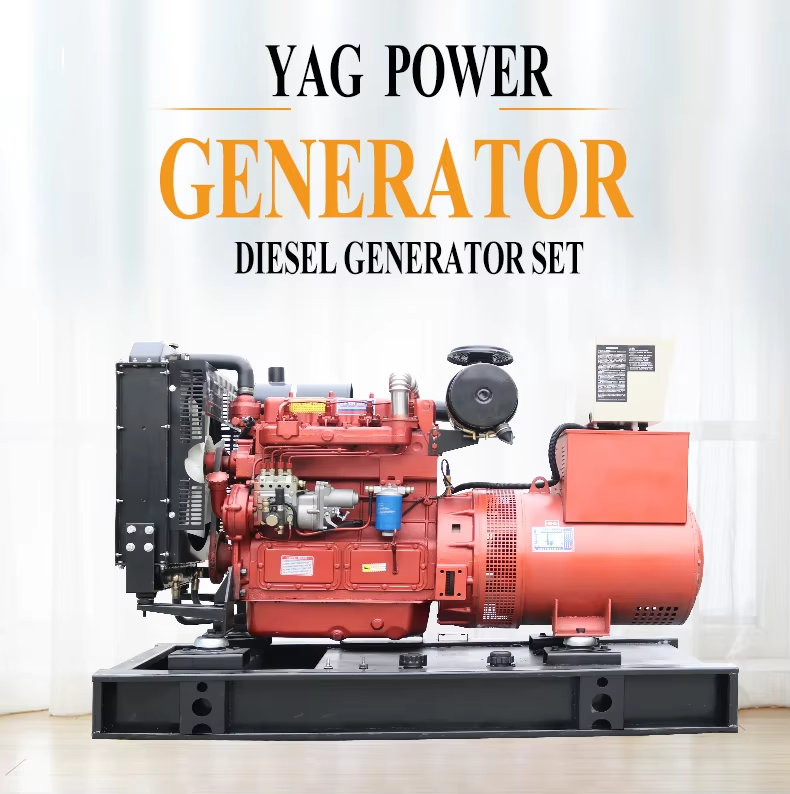
Maintaining a silent diesel generator requires specialized knowledge and systematic approaches to ensure optimal performance and longevity. These power systems serve as critical backup solutions for businesses, hospitals, data centers, and residential properties where noise reduction is paramount. Regular maintenance not only extends equipment lifespan but also prevents costly emergency repairs and unexpected downtime that could disrupt essential operations.
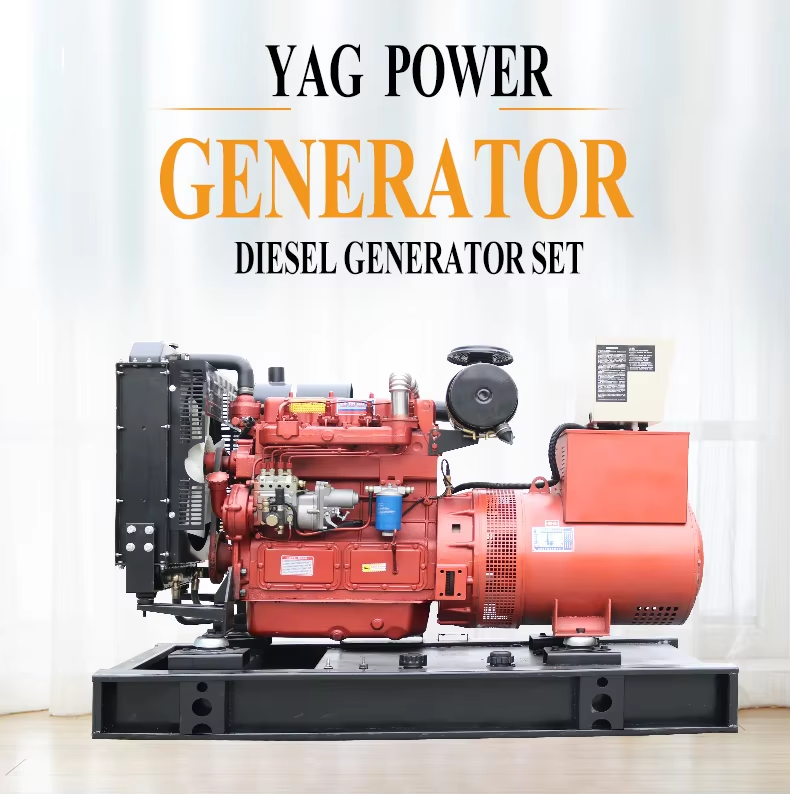
Engine Maintenance Fundamentals
Oil System Care and Monitoring
The engine oil system forms the backbone of any silent diesel generator's reliability and performance. Regular oil changes using manufacturer-specified grades prevent premature wear and maintain proper lubrication throughout the engine components. Most generators require oil changes every 250-500 hours of operation, though this varies based on load conditions and environmental factors.
Oil analysis programs provide valuable insights into engine health by detecting metal particles, fuel contamination, and chemical breakdown products. Establishing baseline measurements when the generator is new helps identify trends that indicate developing problems before they cause catastrophic failures. Professional laboratories can analyze oil samples and provide detailed reports on viscosity, contamination levels, and additive depletion.
Cooling System Optimization
Cooling system maintenance ensures optimal operating temperatures and prevents overheating that can severely damage engine components. Regular coolant level checks, hose inspections, and radiator cleaning prevent blockages that restrict heat transfer. Coolant should be tested annually for pH levels, glycol concentration, and supplemental coolant additive levels to maintain proper corrosion protection.
Thermostat functionality directly impacts engine warm-up times and operating efficiency. A properly functioning thermostat maintains consistent operating temperatures while reducing fuel consumption and emissions. Replace thermostats according to manufacturer schedules or when temperature fluctuations indicate improper operation.
Sound Attenuation System Care
Acoustic Enclosure Maintenance
The acoustic enclosure distinguishes a silent diesel generator from standard models by dramatically reducing noise emissions while maintaining proper ventilation and access for maintenance. Regular inspection of sound-dampening materials prevents deterioration that could compromise noise reduction effectiveness. Foam insulation, fiberglass panels, and acoustic barriers require periodic replacement as they degrade from heat, moisture, and vibration exposure.
Ventilation louvers within the enclosure require cleaning to maintain adequate airflow while preserving sound attenuation properties. Blocked louvers can cause overheating and force the generator to operate at reduced capacity. Inspect and clean these components monthly, particularly in dusty or debris-prone environments where accumulation occurs rapidly.
Vibration Control Components
Anti-vibration mounts and isolators minimize mechanical noise transmission through the generator structure and mounting surface. These components experience continuous stress during operation and require regular inspection for cracking, deterioration, or displacement. Worn vibration dampeners not only increase noise levels but can also cause structural damage to the generator frame and surrounding equipment.
Flexible connections for fuel lines, electrical conduits, and exhaust systems prevent rigid coupling that transmits vibrations. These connections must be inspected for proper alignment and secure attachment to prevent stress concentrations that lead to fatigue failures. Replace flexible connections showing signs of cracking, hardening, or loss of flexibility.
Fuel System Management
Fuel Quality and Storage
Diesel fuel quality directly affects generator performance, emissions, and maintenance requirements. Water contamination represents the most common fuel-related problem, promoting microbial growth and corrosion within fuel system components. Regular fuel testing identifies water content, particulate contamination, and biological activity before they cause injection system damage or filter plugging.
Fuel additives help maintain fuel stability during long-term storage and improve cold weather performance. Biocides prevent microbial growth in fuel tanks, while antioxidants slow fuel degradation and gum formation. Fuel stabilizers are particularly important for emergency generators that operate infrequently, as degraded fuel can cause starting problems and poor performance during critical situations.
Injection System Precision
Fuel injection systems require precise calibration and clean fuel to maintain optimal combustion efficiency and emissions compliance. Dirty or worn injection components cause poor fuel atomization, incomplete combustion, and increased emissions. Professional injection system testing and calibration should be performed annually or according to manufacturer recommendations.
Fuel filters play a crucial role in protecting injection components from contamination damage. Primary and secondary fuel filters should be replaced according to scheduled intervals or when pressure differential indicates restriction. Always use genuine or equivalent quality filters that meet manufacturer specifications for filtration efficiency and flow capacity.
Electrical System Integrity
Generator Output Monitoring
Electrical output quality affects connected equipment performance and longevity. Regular voltage regulation testing ensures stable output under varying load conditions, while frequency stability measurements verify governor system operation. Power quality analyzers can detect harmonic distortion, voltage imbalance, and other electrical anomalies that indicate developing problems.
Insulation resistance testing identifies deteriorating winding insulation before it causes generator failure. Moisture, contamination, and thermal cycling gradually reduce insulation resistance, eventually leading to ground faults or short circuits. Annual insulation testing provides trending data that helps predict when rewinding or replacement becomes necessary.
Control System Calibration
Modern silent diesel generator control systems incorporate sophisticated monitoring and protection features that require periodic calibration and testing. Engine protection systems must be verified to ensure they respond correctly to overpressure, overtemperature, and low oil pressure conditions. Transfer switch operation should be tested to confirm automatic startup and load transfer sequences function properly.
Battery systems powering control circuits and starting motors require regular maintenance including voltage testing, specific gravity measurements, and terminal cleaning. Weak batteries can prevent generator startup during power outages, rendering the entire system useless when needed most. Load testing confirms battery capacity under actual starting loads rather than simple voltage measurements.
Environmental Protection Measures
Exhaust System Maintenance
Exhaust systems for silent diesel generators incorporate additional sound attenuation components that require specific maintenance procedures. Residential silencers contain sound-absorbing materials that can deteriorate from heat and moisture exposure, reducing their effectiveness. Regular inspection identifies damaged baffles, corroded internal components, or blocked passages that compromise performance.
Exhaust gas temperature monitoring helps identify engine problems and verifies proper combustion efficiency. Abnormally high temperatures may indicate injection timing problems, air filter restriction, or cooling system issues. Temperature trends over time provide valuable diagnostic information for preventive maintenance planning.
Emissions Compliance Verification
Environmental regulations require many generators to meet specific emissions standards for particulates, nitrogen oxides, and other pollutants. Regular emissions testing ensures continued compliance and identifies engine problems that affect combustion efficiency. Some jurisdictions require annual testing and certification for generators exceeding certain power ratings.
Diesel particulate filters and selective catalytic reduction systems on newer generators require specialized maintenance procedures and periodic regeneration cycles. These aftertreatment systems are sensitive to fuel quality and operating conditions, making proper maintenance critical for continued operation and emissions compliance.
FAQ
How often should I perform maintenance on my silent diesel generator
Maintenance frequency depends on operating hours, load conditions, and environmental factors. Generally, basic maintenance like oil changes should occur every 250-500 hours, while comprehensive inspections should be performed annually or every 1000-2000 hours. Emergency standby generators used infrequently still require monthly exercise runs and quarterly comprehensive checks to ensure reliability when needed.
What are the most common problems with silent diesel generator sound enclosures
Common enclosure problems include deteriorating sound insulation materials, blocked ventilation louvers, damaged door seals, and corroded mounting hardware. These issues can increase noise levels, cause overheating, or allow moisture intrusion that damages internal components. Regular inspection and prompt repair of enclosure issues maintains both sound attenuation and equipment protection.
Can I use automotive diesel fuel in my silent diesel generator
While automotive diesel fuel can be used temporarily, generators benefit from fuel specifically designed for stationary applications. Generator fuel often contains additional additives for long-term storage stability and improved cold weather performance. Always consult manufacturer specifications for approved fuel types and additive recommendations specific to your generator model.
How do I know when my generator needs professional service
Signs requiring professional attention include unusual noise or vibration increases, frequent alarms or shutdowns, visible fluid leaks, excessive smoke emissions, or declining power output. Additionally, complex procedures like injection system calibration, load bank testing, and emissions compliance verification typically require specialized equipment and training best handled by qualified technicians.