
 EN
EN
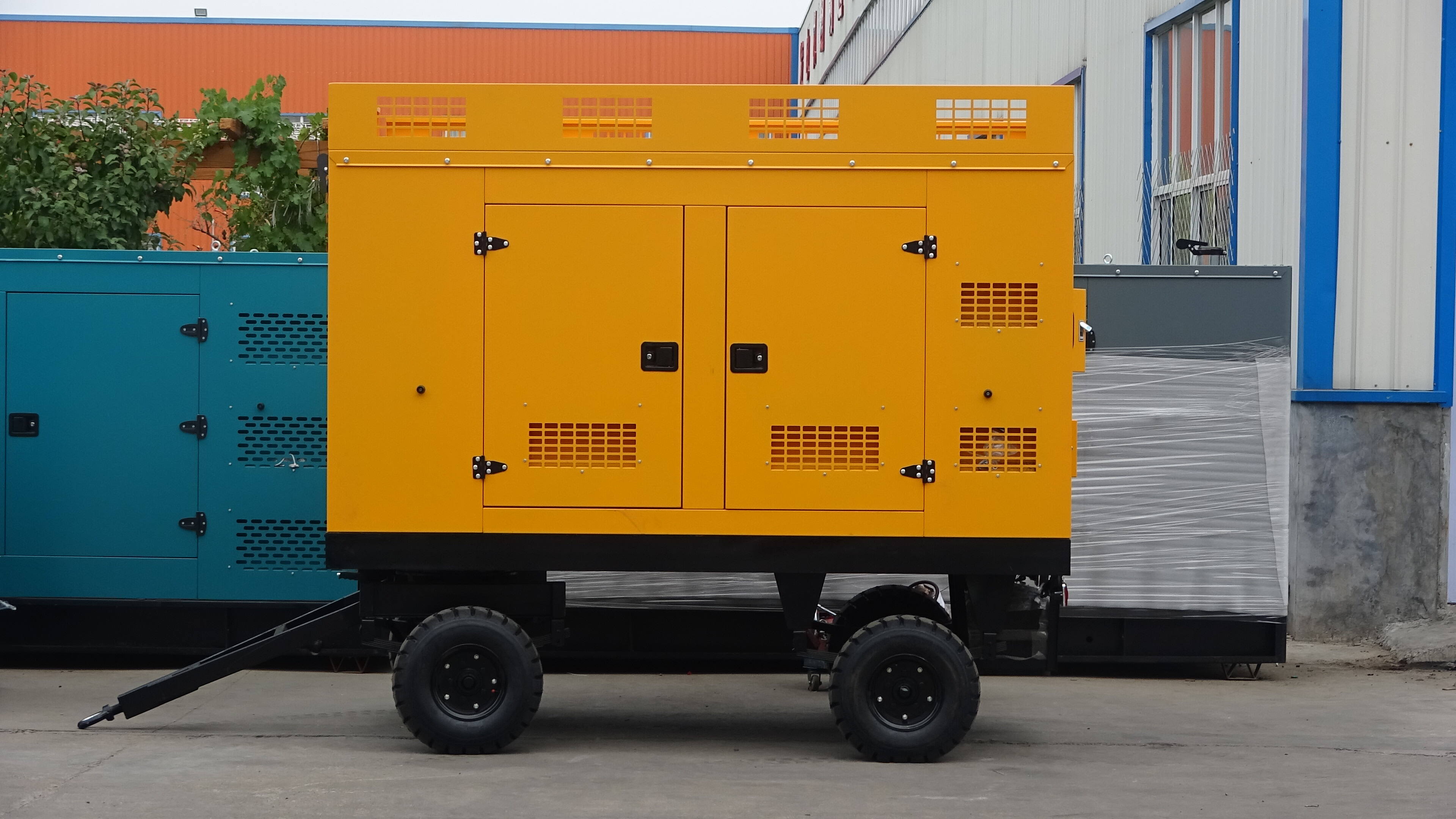
Maximizing uptime with high-capacity diesel generator sets requires a strategic approach that combines proper installation, preventive maintenance, and operational best practices. Industrial facilities, data centers, and critical infrastructure operations depend on these robust power systems to maintain continuous operations when primary power sources fail or during planned maintenance windows. Understanding how to optimize the performance and reliability of your high-capacity diesel generator sets directly impacts your facility's productivity, operational costs, and overall business continuity.
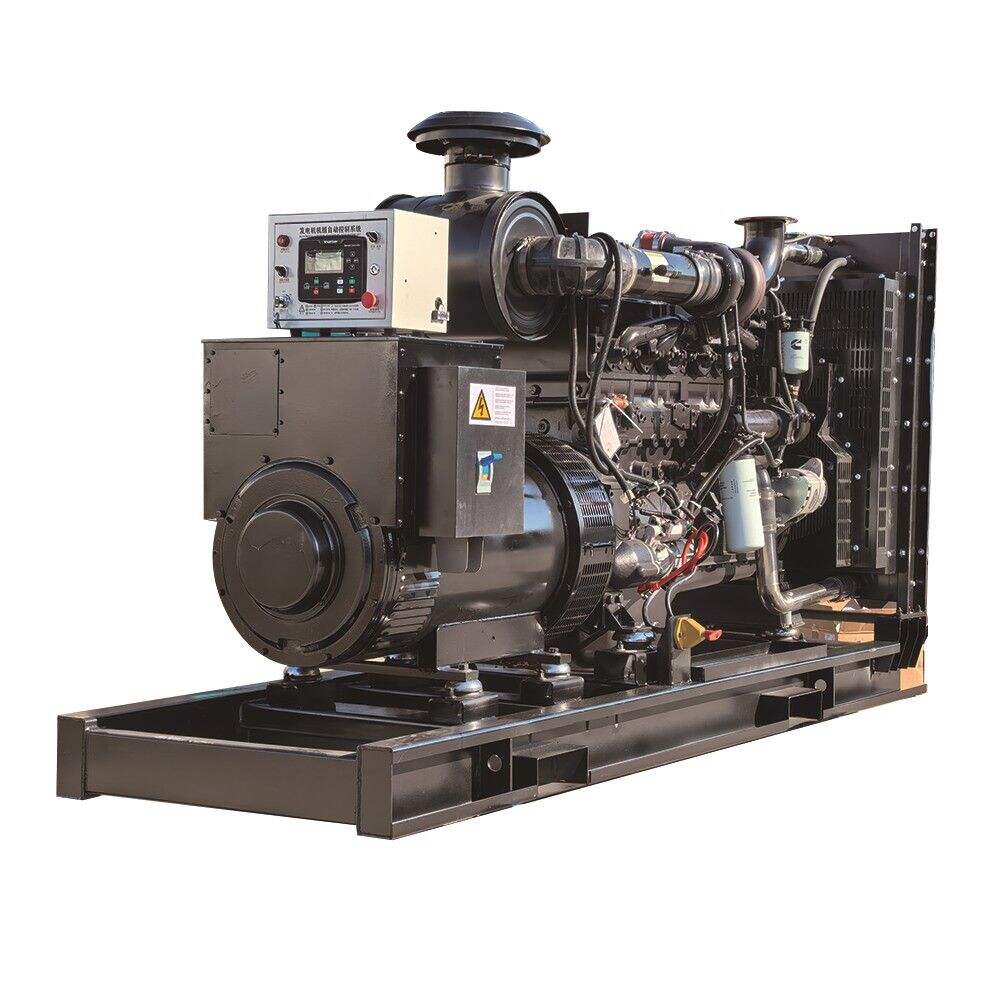
Yaguan Pow's engineering expertise in developing high-capacity diesel generator sets focuses on delivering maximum uptime through advanced design principles, quality components, and comprehensive support systems. These generator sets are specifically engineered to handle demanding industrial applications where power interruption can result in significant financial losses, safety concerns, or operational disruptions. The key to maximizing uptime lies in implementing a holistic approach that addresses installation requirements, operational procedures, maintenance protocols, and performance monitoring strategies.
Strategic Installation and Configuration for Maximum Uptime
Site Preparation and Infrastructure Requirements
Proper site preparation forms the foundation for maximizing uptime with high-capacity diesel generator sets. The installation site must provide adequate ventilation, structural support, and environmental protection to ensure optimal generator performance. Concrete pads should be engineered to handle the substantial weight and vibration characteristics of industrial-grade generator sets, while maintaining level installation surfaces that prevent mechanical stress on engine components.
Ventilation systems must be designed to handle the significant air flow requirements of high-capacity units, ensuring adequate combustion air supply and effective heat dissipation. Poor ventilation can lead to overheating conditions that trigger protective shutdowns, directly impacting system uptime. The installation should include properly sized louvers, ductwork, and exhaust systems that maintain optimal operating temperatures under all load conditions.
Fuel system infrastructure plays a critical role in uptime maximization for high-capacity diesel generator sets. Primary and secondary fuel tanks should be sized to provide extended runtime capabilities, with consideration for automatic fuel transfer systems that eliminate manual intervention during extended outages. Fuel quality maintenance systems, including water separation and filtration equipment, prevent fuel-related issues that could compromise generator availability.
Electrical Integration and Load Management
Electrical integration of high-capacity diesel generator sets requires careful consideration of load transfer switching, power quality management, and system synchronization. Automatic transfer switches must be properly programmed and regularly tested to ensure seamless transitions between utility power and generator power. The switching logic should account for utility power quality variations, preventing unnecessary generator starts while ensuring rapid response to actual power failures.
Load management systems help optimize generator performance by controlling non-critical loads during power outages, allowing the generator set to operate within its most efficient operating range. This approach extends fuel capacity, reduces mechanical stress, and improves overall system reliability. Progressive load shedding capabilities ensure that critical systems receive priority power allocation during extended outages or fuel supply constraints.
Power conditioning equipment integration enhances the quality of power delivered by high-capacity diesel generator sets, protecting sensitive electronic equipment from voltage fluctuations and harmonic distortion. Proper grounding systems and surge protection devices safeguard both the generator set and connected loads from electrical anomalies that could cause equipment damage or operational interruptions.
Preventive Maintenance Strategies for Sustained Performance
Scheduled Maintenance Protocol Implementation
Implementing comprehensive preventive maintenance protocols represents the most effective method for maximizing uptime with high-capacity diesel generator sets. Regular maintenance schedules should be based on engine runtime hours, calendar intervals, and operational conditions, ensuring that all critical components receive appropriate attention before wear conditions lead to failures. Documentation systems must track maintenance activities, component replacements, and performance trends to identify potential issues before they impact availability.
Engine maintenance protocols for high-capacity diesel generator sets include regular oil and filter changes, coolant system maintenance, air filter replacement, and fuel system servicing. These activities should follow manufacturer recommendations while considering site-specific operating conditions such as ambient temperature extremes, dust exposure, and load cycling patterns. Proper maintenance scheduling prevents premature component wear and maintains engine performance specifications.
Generator and electrical system maintenance encompasses inspection and testing of alternator components, control systems, protection devices, and power connections. Regular testing of protective relays, circuit breakers, and monitoring systems ensures that safety systems function properly while maintaining generator set availability. Thermal imaging inspections identify developing electrical connection issues before they cause failures or create safety hazards.
Condition Monitoring and Predictive Analytics
Advanced condition monitoring systems enable predictive maintenance approaches that maximize uptime for high-capacity diesel generator sets by identifying developing problems before they cause failures. Vibration monitoring systems track engine and generator bearing conditions, detecting wear patterns that indicate the need for component replacement or adjustment. Oil analysis programs monitor lubricant condition and contamination levels, providing early warning of internal engine wear or fuel system problems.
Temperature monitoring systems track engine coolant, oil, and exhaust gas temperatures, identifying cooling system issues, fuel injection problems, or engine loading imbalances that could lead to failures. Integration of monitoring data with automated alarm systems allows maintenance personnel to respond quickly to developing issues, minimizing downtime and preventing catastrophic failures.
Data logging and trend analysis capabilities help optimize maintenance intervals and identify operational patterns that affect high-capacity diesel generator sets performance. Historical data analysis reveals seasonal variations, load-related wear patterns, and environmental factors that influence maintenance requirements, enabling customized maintenance strategies that maximize equipment availability while controlling costs.
Operational Excellence and Performance Optimization
Load Testing and Exercise Programs
Regular load testing programs ensure that high-capacity diesel generator sets maintain their rated performance capabilities and identify potential issues before actual emergency operation. Monthly exercise periods should include gradually increasing load levels to verify proper engine and generator response under various operating conditions. Load bank testing validates full-capacity performance while identifying cooling system adequacy, fuel system capacity, and electrical system integrity.
Exercise protocols should simulate actual operating conditions, including automatic start sequences, load transfer operations, and extended runtime scenarios. These tests verify that all control systems, protective devices, and monitoring equipment function properly while providing opportunities to identify and address minor issues before they compromise availability during actual outages.
Documentation of load test results creates historical performance records that track generator set condition over time. Performance degradation trends can indicate developing maintenance needs, while consistent performance data validates the effectiveness of maintenance programs. Regular testing also ensures compliance with insurance requirements and regulatory standards that may apply to critical power systems.
Fuel Management and Quality Control
Effective fuel management strategies directly impact the uptime performance of high-capacity diesel generator sets by ensuring consistent fuel quality and availability. Fuel storage systems should include provisions for fuel testing, water removal, and biocide treatment to prevent fuel degradation that could cause injection system problems or engine performance issues. Regular fuel sampling and analysis programs identify contamination issues before they affect generator operation.
Fuel rotation programs prevent fuel aging in storage tanks by ensuring regular turnover of stored diesel fuel. Automatic fuel polishing systems maintain fuel quality during extended storage periods, removing water contamination and particulate matter that could damage injection systems or cause fuel system blockages. Proper fuel system design includes adequate filtration at multiple stages to protect sensitive injection components.
Inventory management systems ensure adequate fuel supplies for extended operation while preventing excessive storage that leads to fuel quality problems. Automated fuel level monitoring and alarm systems provide early warning of low fuel conditions, allowing timely fuel delivery before generator capacity is compromised. Integration with fuel suppliers enables automatic delivery scheduling based on consumption patterns and storage capacity.
System Integration and Smart Monitoring Technologies
Remote Monitoring and Control Systems
Advanced remote monitoring systems enable continuous oversight of high-capacity diesel generator sets performance, allowing immediate response to alarm conditions and optimization of operational parameters. These systems provide real-time data on engine parameters, electrical output, fuel consumption, and environmental conditions, enabling proactive management of generator set performance. Integration with building management systems or SCADA networks allows centralized monitoring of multiple generator installations.
Automated alarm and notification systems ensure that maintenance personnel receive immediate alerts about developing issues or alarm conditions that require attention. Mobile connectivity enables remote monitoring capabilities that allow off-site personnel to monitor generator status and respond to emergency conditions. Historical data logging capabilities support trend analysis and performance optimization initiatives that maximize system uptime.
Remote control capabilities allow authorized personnel to start, stop, and adjust high-capacity diesel generator sets from remote locations, enabling rapid response to changing operational requirements or emergency conditions. Security features ensure that remote access is properly controlled while maintaining operational flexibility needed for optimal uptime management.
Integration with Building Systems and Smart Grid Technologies
Integration of high-capacity diesel generator sets with building automation systems optimizes load management and energy efficiency during both normal and emergency operations. Smart load shedding algorithms automatically prioritize critical systems while managing non-essential loads to extend generator runtime and reduce fuel consumption. Integration with HVAC systems allows optimization of building environmental conditions during extended power outages.
Smart grid integration capabilities enable generator sets to participate in demand response programs and provide grid support services when not operating in emergency mode. This integration can provide additional revenue streams while ensuring that generators receive regular exercise under actual load conditions. Grid synchronization capabilities allow seamless transitions between generator power and utility power restoration.
Energy management systems coordinate the operation of multiple high-capacity diesel generator sets in installations with redundant power systems, optimizing fuel efficiency and equipment utilization while maintaining required reliability levels. Load sharing capabilities ensure balanced operation of parallel generator sets, maximizing system efficiency and component life while maintaining full backup capacity.
FAQ
What are the most critical factors for maximizing uptime with high-capacity diesel generator sets?
The most critical factors include implementing comprehensive preventive maintenance programs, ensuring proper installation and ventilation, maintaining fuel quality through regular testing and filtration, conducting regular load testing to verify performance capabilities, and utilizing remote monitoring systems for early problem detection. Proper operator training and documented procedures also play essential roles in maintaining maximum uptime performance.
How often should high-capacity diesel generator sets undergo load testing to ensure reliable operation?
High-capacity diesel generator sets should undergo weekly exercise periods with monthly load testing at increasing power levels up to full rated capacity. Quarterly comprehensive load tests should include extended runtime periods to verify cooling system performance and fuel system capacity. Annual load bank testing with third-party verification ensures compliance with warranty requirements and validates full system performance under maximum design conditions.
What role does fuel quality management play in maximizing generator set uptime?
Fuel quality management is essential for maximizing uptime as contaminated or degraded fuel can cause injection system failures, fuel pump damage, and engine performance problems that lead to unexpected shutdowns. Regular fuel testing, water removal, biocide treatment, and fuel polishing systems prevent fuel-related issues. Proper fuel storage design with adequate filtration and inventory rotation programs maintain fuel quality during extended storage periods.
How can remote monitoring systems improve the uptime performance of diesel generator installations?
Remote monitoring systems improve uptime by providing continuous oversight of critical operating parameters, enabling immediate response to alarm conditions, and allowing predictive maintenance based on performance trends. These systems reduce response times to developing problems, enable proactive maintenance scheduling, and provide historical data for optimization of maintenance intervals and operational procedures. Integration with mobile communications ensures 24/7 monitoring capabilities regardless of personnel location.
Table of Contents
- Strategic Installation and Configuration for Maximum Uptime
- Preventive Maintenance Strategies for Sustained Performance
- Operational Excellence and Performance Optimization
- System Integration and Smart Monitoring Technologies
-
FAQ
- What are the most critical factors for maximizing uptime with high-capacity diesel generator sets?
- How often should high-capacity diesel generator sets undergo load testing to ensure reliable operation?
- What role does fuel quality management play in maximizing generator set uptime?
- How can remote monitoring systems improve the uptime performance of diesel generator installations?