
 EN
EN
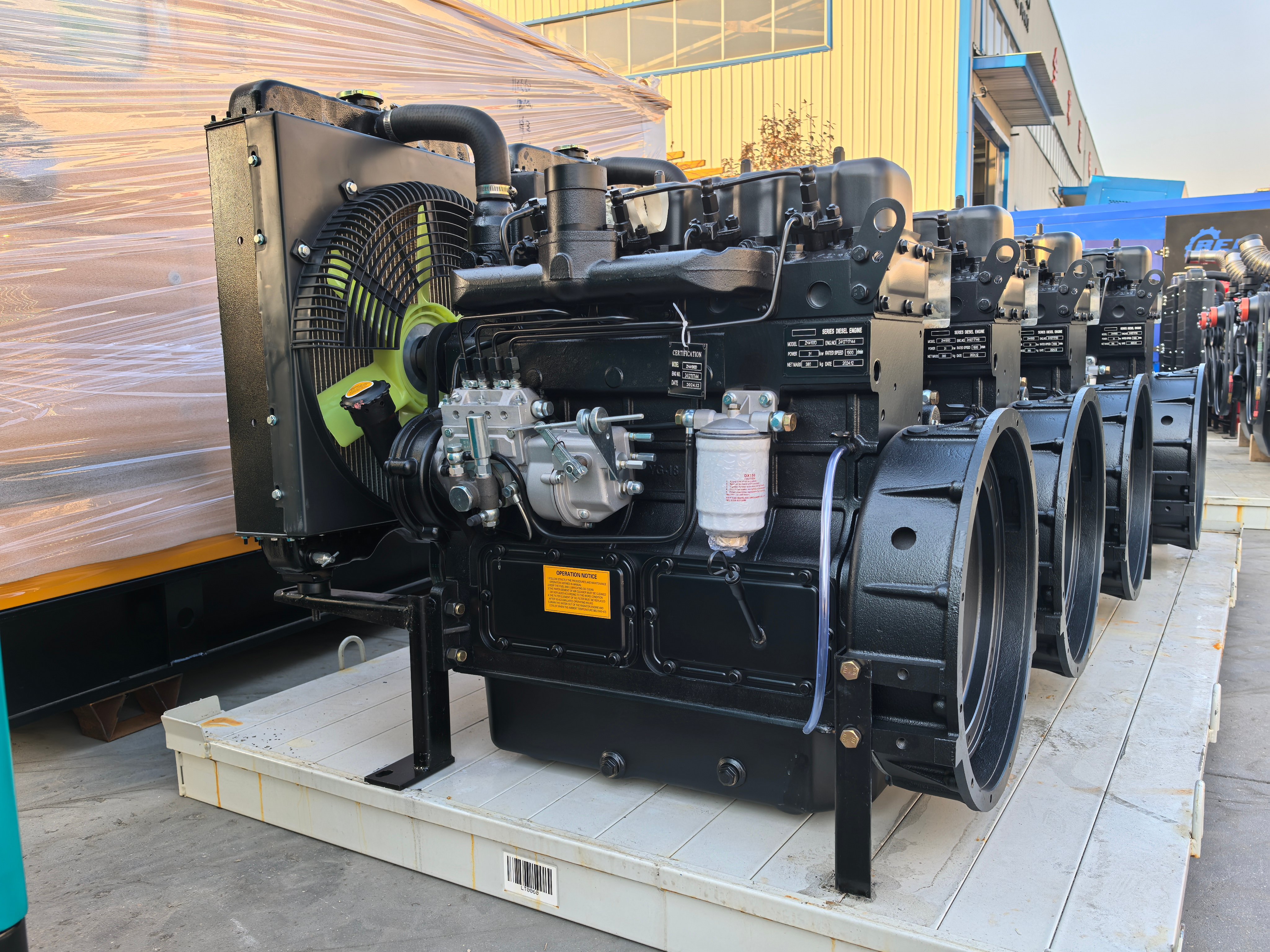
Large-scale mining operations require reliable and consistent power solutions to maintain continuous production schedules and meet demanding operational requirements. Selecting the appropriate diesel generator set capacity represents a critical decision that impacts operational efficiency, cost management, and overall project success. Mining facilities often operate in remote locations where grid power may be unreliable or completely unavailable, making backup power systems essential for maintaining operations. The complexity of modern mining equipment, coupled with varying power demands throughout different operational phases, necessitates careful evaluation of generator specifications and capabilities.
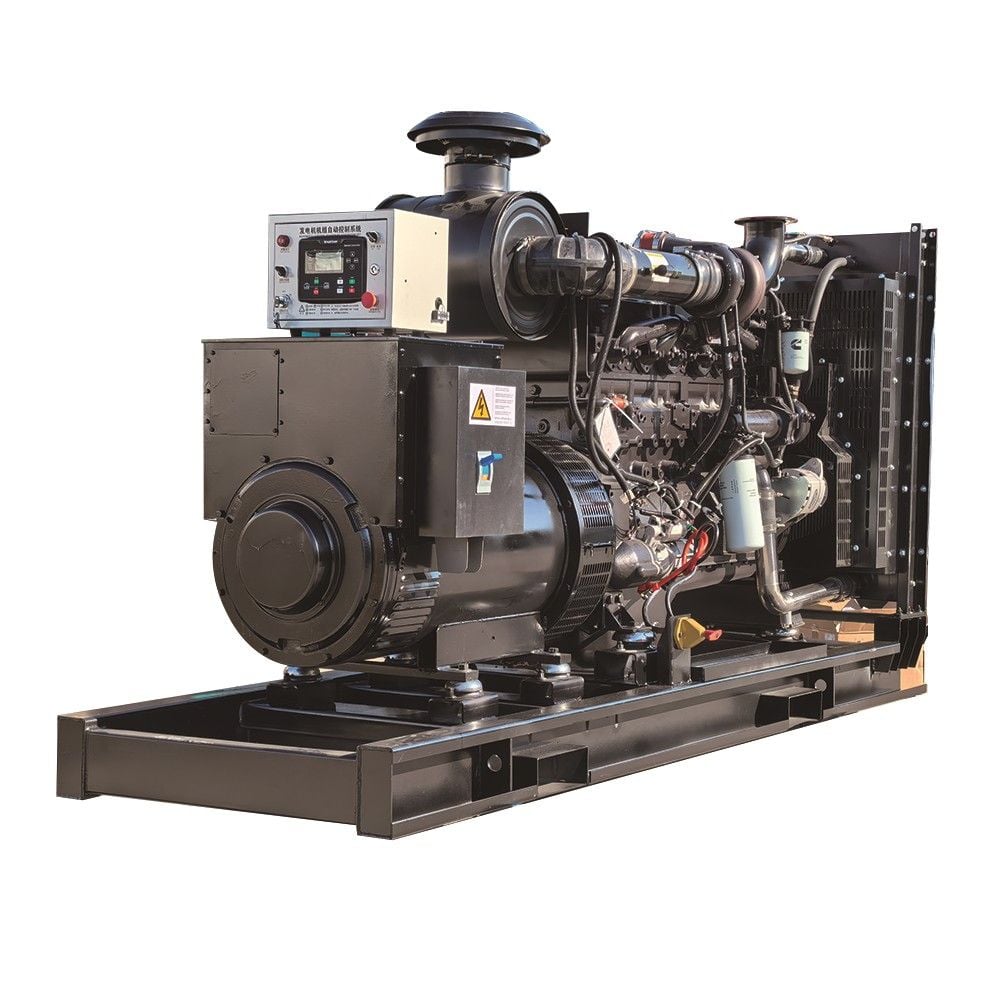
Understanding Power Requirements in Mining Operations
Primary Equipment Power Consumption
Mining operations encompass diverse equipment types that collectively determine the total power requirements for a diesel generator set installation. Heavy machinery such as excavators, haul trucks, conveyor systems, and processing equipment each contribute significant electrical loads that must be accurately calculated. Crushing and grinding equipment typically represents the highest power consumption category, often requiring hundreds of kilowatts per unit during peak operational periods. Ventilation systems, essential for maintaining safe working conditions in underground operations, also contribute substantial continuous loads that a diesel generator set must accommodate reliably.
Water management systems, including dewatering pumps and treatment facilities, create additional power demands that vary based on seasonal conditions and operational requirements. Lighting systems throughout mining facilities require consistent power delivery to maintain safety standards and enable round-the-clock operations. Administrative buildings, workshops, and worker accommodation facilities add to the total electrical load, requiring careful integration into overall power planning calculations.
Load Profile Analysis and Peak Demand Calculations
Effective capacity planning for a diesel generator set requires comprehensive load profile analysis that accounts for both steady-state and transient power demands. Peak demand periods typically occur during equipment startup sequences when multiple high-power motors engage simultaneously, creating temporary load spikes that can exceed normal operational requirements by significant margins. Understanding these peak demand characteristics ensures that the selected generator capacity can handle maximum operational scenarios without compromising system stability or equipment longevity.
Load diversity factors play crucial roles in determining actual power requirements versus theoretical maximum loads. Not all equipment operates simultaneously at full capacity, allowing for optimized generator sizing based on realistic operational patterns. Historical power consumption data, when available, provides valuable insights into actual load characteristics and helps validate theoretical calculations with real-world operational experience.
Generator Capacity Sizing Fundamentals
Capacity Rating Systems and Standards
Diesel generator set capacity ratings follow established industry standards that define performance characteristics under specific operating conditions. Standby power ratings indicate maximum power output capabilities during emergency situations, typically allowing for brief overload conditions while maintaining acceptable performance parameters. Prime power ratings represent continuous operation capabilities under varying load conditions, making them more suitable for applications where the diesel generator set serves as the primary power source for extended periods.
Continuous power ratings define the maximum sustainable output under constant full-load conditions, representing the most conservative capacity specification for applications requiring uninterrupted high-power operation. Understanding these rating differences ensures appropriate generator selection based on specific operational requirements and expected duty cycles. Environmental factors such as altitude, ambient temperature, and humidity levels can significantly affect actual generator capacity, requiring derating calculations for installations in challenging conditions.
Safety Margins and Redundancy Considerations
Incorporating appropriate safety margins into capacity calculations ensures reliable operation under varying conditions and accounts for potential load growth over the operational lifespan of a diesel generator set. Industry best practices typically recommend maintaining at least 20-25% spare capacity above calculated maximum loads to accommodate unexpected demand increases and provide operational flexibility. This margin also helps prevent generator overloading during equipment startup sequences when inrush currents can temporarily exceed normal operating requirements.
Redundancy planning involves determining whether multiple smaller units or a single large diesel generator set better serves operational requirements. Parallel generator configurations provide enhanced reliability through redundant capacity, allowing continued operation even if one unit requires maintenance or experiences mechanical issues. However, single large units may offer better fuel efficiency and lower initial investment costs for applications with consistent power demands.
Environmental and Operational Factors
Site Conditions and Environmental Impacts
Mining site environmental conditions significantly influence diesel generator set performance and capacity requirements. High altitude locations reduce air density, decreasing combustion efficiency and requiring capacity derating to maintain reliable operation. Extreme temperature variations, common in many mining regions, affect both engine performance and electrical component functionality, necessitating appropriate environmental protection and cooling system specifications.
Dust and particulate contamination present significant challenges for generator operation in mining environments. Air filtration systems must provide adequate protection while maintaining sufficient airflow for cooling and combustion requirements. Corrosive atmospheric conditions, particularly in coastal or chemically active mining environments, require specialized materials and protective coatings to ensure long-term reliability and minimize maintenance requirements.
Fuel Supply and Infrastructure Requirements
Reliable fuel supply infrastructure represents a critical component of diesel generator set planning for mining operations. Remote locations may require substantial fuel storage capacity to maintain operational continuity during supply disruptions. Fuel quality considerations become particularly important in mining applications where contaminated fuel can cause significant operational disruptions and equipment damage.
Fuel consumption calculations must account for varying load conditions and operational patterns to ensure adequate storage capacity and supply scheduling. Environmental regulations regarding fuel storage, handling, and containment systems may impose additional requirements that affect overall system design and installation costs. Backup fuel supply arrangements provide additional security against supply chain disruptions that could compromise mining operations.
Economic Considerations and Life-Cycle Analysis
Initial Investment and Installation Costs
Capital investment requirements for diesel generator set installations extend beyond equipment purchase prices to include site preparation, electrical infrastructure, fuel systems, and auxiliary components. Foundation requirements for large generators can represent significant construction costs, particularly in challenging soil conditions or areas requiring specialized mounting systems. Electrical switchgear, control systems, and interconnection equipment contribute substantial additional costs that must be factored into total project budgets.
Installation complexity varies significantly based on site accessibility, environmental protection requirements, and integration with existing electrical systems. Professional installation services ensure proper commissioning and compliance with applicable codes and standards, though these services represent additional project costs. Permitting and regulatory compliance requirements may also impose costs and timeline considerations that affect overall project economics.
Operating Costs and Maintenance Planning
Long-term operating costs for a diesel generator set include fuel consumption, routine maintenance, component replacement, and overhaul expenses. Fuel costs typically represent the largest operational expense category, making fuel efficiency a critical selection criterion for applications with high duty cycles. Maintenance scheduling and parts availability affect operational reliability and total cost of ownership over the generator's service life.
Predictive maintenance technologies and condition monitoring systems can help optimize maintenance intervals and prevent unexpected failures. However, these advanced systems represent additional initial investments that must be evaluated against potential maintenance cost savings and improved reliability. Service support availability in remote mining locations affects maintenance costs and response times for critical repairs.
Technology Options and Advanced Features
Engine Technology and Efficiency Improvements
Modern diesel generator set designs incorporate advanced engine technologies that improve fuel efficiency, reduce emissions, and enhance operational reliability. Electronic fuel injection systems provide precise fuel metering that optimizes combustion efficiency across varying load conditions. Turbocharging and intercooling technologies increase power density while maintaining fuel efficiency, allowing more compact installations for given power requirements.
Variable speed generator technologies offer potential efficiency improvements for applications with highly variable load profiles. These systems automatically adjust engine speed to match electrical demand, reducing fuel consumption during low-load periods. However, variable speed systems typically require more sophisticated control systems and may have higher initial costs compared to constant speed alternatives.
Control Systems and Automation Features
Advanced control systems enhance diesel generator set reliability and operational efficiency through automated monitoring, protection, and optimization functions. Remote monitoring capabilities allow operators to track generator performance and receive alerts regarding maintenance requirements or operational issues. Automated load management systems can prioritize critical loads during capacity limitations and provide seamless load transfer capabilities.
Parallel operation control systems enable multiple generators to share electrical loads automatically, providing enhanced reliability and operational flexibility. These systems coordinate generator output to optimize fuel efficiency and equipment utilization while maintaining system stability. Integration with facility management systems allows coordinated operation with other power sources and load management systems.
Installation and Commissioning Best Practices
Site Preparation and Infrastructure Development
Proper site preparation ensures optimal diesel generator set performance and longevity in mining applications. Adequate ventilation provisions prevent overheating and maintain acceptable operating temperatures for both engine and electrical components. Noise mitigation measures may be required to comply with local regulations and minimize impact on nearby facilities or communities.
Electrical infrastructure development includes switchgear installation, cable routing, grounding systems, and protection equipment. Proper grounding is particularly critical in mining environments where electrical safety hazards pose significant risks. Cable specifications must account for environmental conditions and mechanical protection requirements in industrial settings.
Testing and Performance Verification
Comprehensive testing programs verify that installed diesel generator set systems meet specified performance requirements and operational expectations. Load bank testing validates generator capacity under controlled conditions and identifies potential issues before critical operational deployment. Parallel operation testing ensures proper coordination between multiple generator units and verifies automatic control system functionality.
Performance monitoring during initial operation periods allows fine-tuning of control parameters and validation of load calculations. Documentation of test results provides baseline performance data for future comparison and helps establish maintenance intervals based on actual operating conditions rather than generic recommendations.
FAQ
What factors determine the appropriate capacity for a mining operation diesel generator set
The appropriate capacity depends on total connected load calculations, peak demand requirements, safety margins, and future expansion plans. Critical factors include equipment startup currents, duty cycle variations, environmental derating requirements, and redundancy needs. Professional load analysis considering both steady-state and transient conditions ensures accurate capacity determination for reliable operation.
How do environmental conditions affect diesel generator set sizing decisions
Environmental conditions such as altitude, temperature, humidity, and air quality significantly impact generator performance and require capacity adjustments. High altitude reduces air density, decreasing power output and requiring larger generators to meet load requirements. Extreme temperatures affect both engine efficiency and cooling system capacity, while dust and corrosive conditions influence equipment selection and protection requirements.
What are the advantages of multiple smaller generators versus one large unit
Multiple smaller generators provide operational redundancy, allowing continued operation if one unit fails or requires maintenance. This configuration offers operational flexibility and can improve fuel efficiency during low-load periods by operating fewer units. However, single large units typically have lower initial costs, reduced maintenance complexity, and better space efficiency for installations with consistent high power demands.
How should fuel consumption and storage be planned for mining diesel generator sets
Fuel consumption planning requires analysis of expected operating hours, load profiles, and generator efficiency characteristics. Storage capacity should accommodate supply delivery intervals plus safety margins for supply disruptions. Consider fuel quality requirements, storage system design for environmental conditions, and regulatory compliance for fuel handling and containment systems in mining environments.
Table of Contents
- Understanding Power Requirements in Mining Operations
- Generator Capacity Sizing Fundamentals
- Environmental and Operational Factors
- Economic Considerations and Life-Cycle Analysis
- Technology Options and Advanced Features
- Installation and Commissioning Best Practices
-
FAQ
- What factors determine the appropriate capacity for a mining operation diesel generator set
- How do environmental conditions affect diesel generator set sizing decisions
- What are the advantages of multiple smaller generators versus one large unit
- How should fuel consumption and storage be planned for mining diesel generator sets