 EN
EN
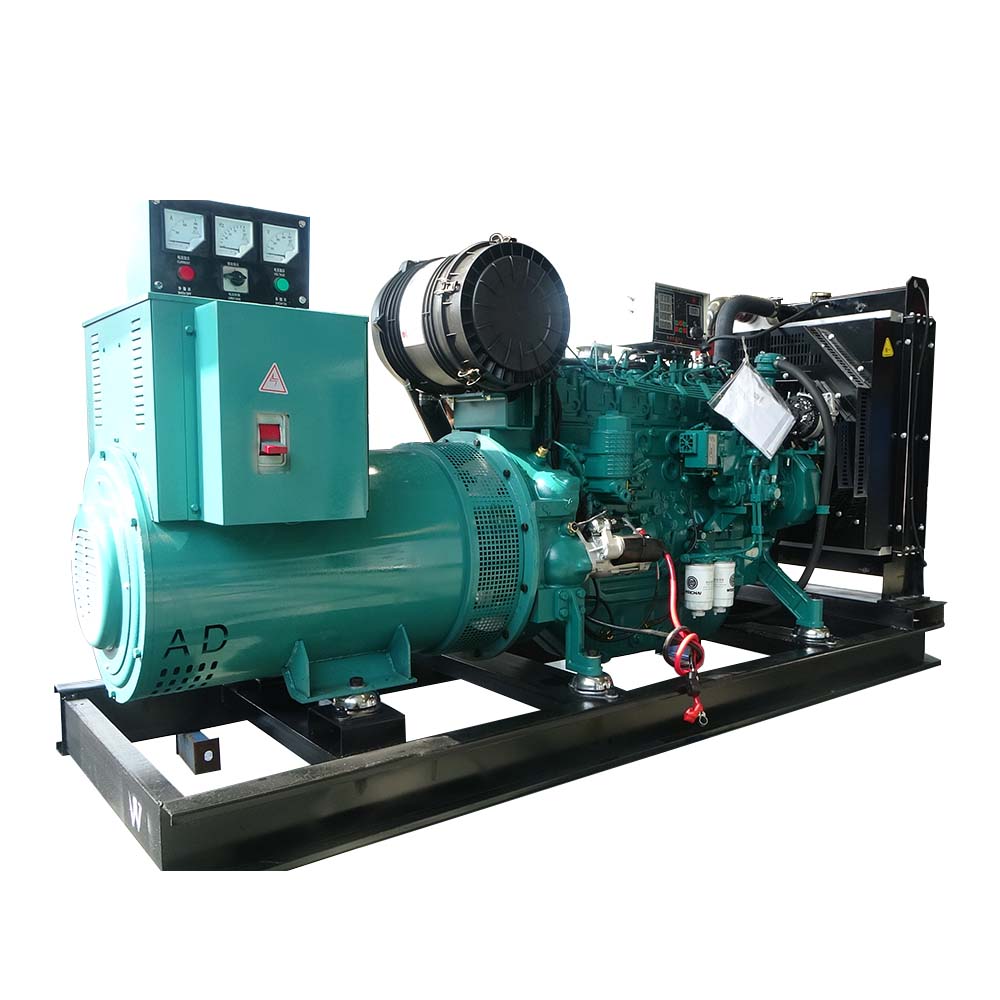
Modern industrial facilities and commercial enterprises increasingly rely on sophisticated power generation solutions to maintain uninterrupted operations. Managing multiple generator units across different locations presents complex challenges that traditional monitoring methods cannot adequately address. Smart control systems have emerged as transformative technologies that revolutionize generator set fleet management by providing real-time monitoring, predictive maintenance capabilities, and centralized operational control. These advanced systems enable facility managers to optimize performance, reduce operational costs, and ensure maximum uptime across their entire power generation infrastructure.
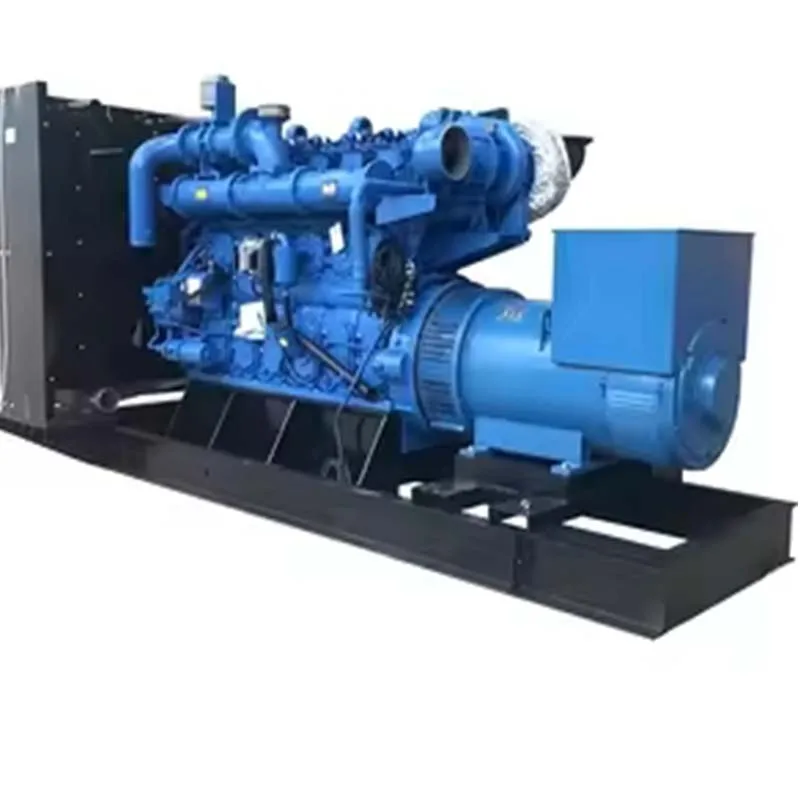
The integration of intelligent monitoring systems into power generation networks has fundamentally changed how organizations approach generator set fleet management. By leveraging Internet of Things sensors, cloud-based analytics, and automated control protocols, smart systems provide unprecedented visibility into equipment performance and operational efficiency. This technological advancement allows operators to transition from reactive maintenance strategies to proactive management approaches that prevent failures before they occur.
Real-Time Monitoring and Performance Analytics
Comprehensive Equipment Surveillance
Smart control systems continuously monitor critical parameters across all generator units within a fleet, including engine temperature, oil pressure, fuel consumption, electrical output, and vibration levels. This comprehensive surveillance enables immediate detection of performance anomalies that could indicate potential equipment failures. Advanced sensor networks collect thousands of data points per minute, creating detailed performance profiles for each generator unit. The system automatically compares current readings against established baselines to identify deviations that require attention.
Real-time data visualization through intuitive dashboards provides operators with immediate access to fleet-wide performance metrics. Color-coded status indicators, trend graphs, and alert notifications ensure that critical information is readily available to maintenance teams and facility managers. This enhanced visibility into generator set fleet management operations eliminates the need for manual inspections and reduces the risk of overlooking important warning signs.
Performance Optimization Through Data Analytics
Advanced analytics engines process historical and real-time data to identify patterns and trends that inform optimization strategies. Machine learning algorithms analyze operational data to determine optimal load distribution across multiple generators, maximizing efficiency while minimizing fuel consumption. These systems can automatically adjust generator output based on demand fluctuations, ensuring that power generation matches facility requirements without wasting energy resources.
Predictive analytics capabilities enable smart control systems to forecast equipment performance and maintenance needs based on usage patterns and environmental conditions. By analyzing historical failure data and current operational parameters, these systems can predict when specific components are likely to require service or replacement. This predictive approach to generator set fleet management significantly reduces unplanned downtime and extends equipment lifespan.
Automated Maintenance Scheduling and Management
Proactive Maintenance Protocols
Smart control systems transform maintenance operations by implementing automated scheduling based on actual equipment usage rather than arbitrary time intervals. The system tracks operating hours, load cycles, and environmental factors to determine when specific maintenance tasks should be performed. This condition-based approach ensures that generators receive attention when needed while avoiding unnecessary service interventions that increase costs without providing benefits.
Automated work order generation streamlines maintenance workflows by creating detailed service requests that include specific component information, required parts, and recommended procedures. Integration with inventory management systems ensures that necessary parts and materials are available when maintenance teams arrive on-site. This coordination reduces service time and minimizes equipment downtime during scheduled maintenance activities.
Remote Diagnostics and Troubleshooting
Advanced diagnostic capabilities enable remote troubleshooting of generator issues without requiring on-site technician visits. Smart control systems can remotely access generator control modules to run diagnostic tests, analyze error codes, and evaluate system performance. This remote diagnostic capability is particularly valuable for generator set fleet management across geographically dispersed locations where immediate technician response may not be feasible.
Remote parameter adjustment and configuration changes allow technicians to modify generator settings and operational parameters from central control centers. This capability enables rapid response to changing operational requirements and allows for fine-tuning of generator performance without dispatching service personnel. Remote diagnostics also facilitate expert consultation, allowing experienced technicians to guide local personnel through complex troubleshooting procedures via video conferencing and shared diagnostic screens.
Centralized Control and Fleet Coordination
Multi-Site Management Integration
Smart control systems provide centralized oversight of generator fleets distributed across multiple facilities and geographic locations. A unified control interface allows operators to monitor and manage dozens or hundreds of generator units from a single command center. This centralization improves response times to equipment issues and ensures consistent operational standards across all locations. Integration with enterprise resource planning systems enables seamless coordination between power generation operations and broader facility management activities.
Automated load balancing algorithms optimize power distribution across multiple generators to maximize efficiency and minimize operating costs. The system continuously evaluates demand requirements and generator availability to determine the most cost-effective combination of active units. This intelligent load management extends equipment life by distributing operating hours evenly across the fleet while maintaining optimal fuel efficiency ratios.
Emergency Response and Backup Coordination
During power outages or equipment failures, smart control systems automatically activate backup generators based on predetermined priority protocols. The system evaluates available generator capacity, fuel levels, and maintenance status to select the most appropriate units for emergency operation. Automatic transfer switches seamlessly transition critical loads to backup power while maintaining system stability and preventing power interruptions that could damage sensitive equipment.
Coordinated startup sequences prevent electrical system instability by managing the timing and sequence of multiple generator activations. The smart control system monitors grid conditions and coordinates generator synchronization to ensure smooth transitions between utility power and backup generation. This sophisticated coordination is essential for effective generator set fleet management in critical applications where power interruptions cannot be tolerated.
Cost Optimization and Efficiency Improvements
Fuel Management and Consumption Optimization
Smart control systems optimize fuel consumption through intelligent load management and generator selection algorithms. By analyzing fuel efficiency curves for each generator unit, the system can automatically select the most efficient combination of generators to meet current demand requirements. This optimization can result in fuel savings of 10-20% compared to manual generator selection methods, providing significant cost reductions for large generator set fleet management operations.
Automated fuel monitoring prevents unexpected fuel shortages that could compromise backup power availability. Smart sensors continuously track fuel levels across all tanks and automatically schedule fuel deliveries based on consumption patterns and projected usage requirements. Integration with fuel suppliers enables automatic ordering and delivery coordination, ensuring that adequate fuel supplies are maintained without requiring manual intervention from facility personnel.
Operational Cost Reduction Strategies
Predictive maintenance capabilities significantly reduce operational costs by preventing catastrophic failures that require expensive emergency repairs. By identifying potential issues before they cause equipment damage, smart control systems help organizations avoid the high costs associated with unplanned maintenance and replacement parts procurement. Early intervention also prevents secondary damage that can occur when failing components affect other system elements.
Labor cost optimization occurs through automated monitoring and reporting that reduces the need for manual inspections and data collection. Maintenance technicians can focus their time on value-added activities rather than routine monitoring tasks that can be performed more efficiently by automated systems. This reallocation of human resources improves overall productivity while maintaining high standards of generator set fleet management performance.
Enhanced Reliability and System Resilience
Redundancy Management and Failover Protection
Smart control systems enhance fleet reliability by implementing sophisticated redundancy management protocols that ensure backup power availability even when primary generators experience failures. The system maintains detailed inventories of generator availability, maintenance status, and operational capability to automatically select suitable backup units when needed. This automated failover capability is crucial for maintaining power continuity in critical applications such as hospitals, data centers, and manufacturing facilities.
Health monitoring algorithms continuously assess the condition of each generator unit to predict reliability and availability for emergency operation. Generators showing signs of declining performance can be temporarily removed from automatic backup rotation until maintenance is completed, ensuring that only fully operational units are relied upon during power emergencies. This proactive approach to reliability management reduces the risk of backup power system failures during critical periods.
Integration with Building Management Systems
Modern smart control systems seamlessly integrate with facility building management systems to coordinate power generation with overall facility operations. This integration enables automatic load shedding during generator operation to prioritize critical systems and extend backup power duration. The system can automatically shut down non-essential equipment and lighting while maintaining power to critical safety systems, data servers, and essential operational equipment.
Environmental monitoring integration allows generator set fleet management systems to respond automatically to weather conditions and external factors that might affect power requirements or generator performance. For example, the system can pre-position additional generators during severe weather events or automatically adjust operating parameters based on ambient temperature conditions that affect generator efficiency and cooling requirements.
Implementation Best Practices and Considerations
System Design and Infrastructure Requirements
Successful implementation of smart control systems requires careful planning of communication infrastructure and network connectivity. Reliable internet connections, backup communication paths, and secure data transmission protocols are essential for maintaining continuous monitoring and control capabilities. Organizations should evaluate their existing network infrastructure and invest in necessary upgrades to support the data transmission requirements of comprehensive generator set fleet management systems.
Cybersecurity considerations are paramount when implementing connected generator control systems, as these systems become potential targets for cyber attacks that could compromise critical power infrastructure. Multi-layered security protocols including firewalls, encryption, access controls, and regular security updates must be implemented to protect against unauthorized access and system manipulation. Regular security audits and penetration testing help identify and address potential vulnerabilities before they can be exploited.
Staff Training and Change Management
Successful adoption of smart control systems requires comprehensive training programs that help maintenance technicians and facility managers understand new capabilities and procedures. Training should cover system operation, troubleshooting procedures, maintenance protocols, and emergency response procedures. Organizations should plan for an extended transition period where staff become comfortable with new technologies while maintaining proficiency with traditional backup methods.
Change management processes should address the cultural shifts that occur when organizations transition from reactive to predictive maintenance approaches. Staff members may initially resist automated systems that change traditional work patterns, so clear communication about benefits and job security is essential. Demonstrating how smart systems enhance rather than replace human expertise helps build acceptance and enthusiasm for new generator set fleet management technologies.
FAQ
What are the primary benefits of implementing smart control systems for generator fleet management
Smart control systems provide numerous benefits including real-time monitoring of all generator units, predictive maintenance capabilities that prevent failures, automated scheduling that optimizes maintenance timing, centralized control across multiple locations, improved fuel efficiency through intelligent load management, and enhanced reliability through redundancy management. These systems typically reduce operational costs by 15-25% while significantly improving equipment uptime and extending generator lifespan.
How do smart control systems improve maintenance efficiency compared to traditional approaches
Traditional maintenance relies on fixed schedules or reactive responses to failures, while smart systems use condition-based maintenance that schedules service based on actual equipment needs. This approach prevents unnecessary maintenance while ensuring that components receive attention before failures occur. Automated work order generation, parts inventory coordination, and remote diagnostics further streamline maintenance operations and reduce service time requirements.
What infrastructure requirements are necessary to support smart generator fleet management systems
Implementation requires reliable internet connectivity for data transmission, secure network infrastructure with appropriate cybersecurity measures, power supplies for monitoring equipment, and integration capabilities with existing building management systems. Organizations should also plan for backup communication methods to maintain system functionality during network outages. The specific infrastructure requirements vary based on fleet size and geographic distribution of generator locations.
Can smart control systems integrate with existing generator equipment and facility management systems
Most smart control systems are designed to integrate with existing generator control modules through standard communication protocols. Modern generators typically include communication capabilities that can be leveraged by smart control systems, while older units may require additional interface equipment. Integration with facility management systems, building automation systems, and enterprise software platforms is typically supported through standard protocols and APIs that facilitate data sharing and coordinated operations.
Table of Contents
- Real-Time Monitoring and Performance Analytics
- Automated Maintenance Scheduling and Management
- Centralized Control and Fleet Coordination
- Cost Optimization and Efficiency Improvements
- Enhanced Reliability and System Resilience
- Implementation Best Practices and Considerations
-
FAQ
- What are the primary benefits of implementing smart control systems for generator fleet management
- How do smart control systems improve maintenance efficiency compared to traditional approaches
- What infrastructure requirements are necessary to support smart generator fleet management systems
- Can smart control systems integrate with existing generator equipment and facility management systems